
Africa
4 NEW CASES OF COVID-19 CONFIRMED IN GHANA MAKING 6 SO FAR

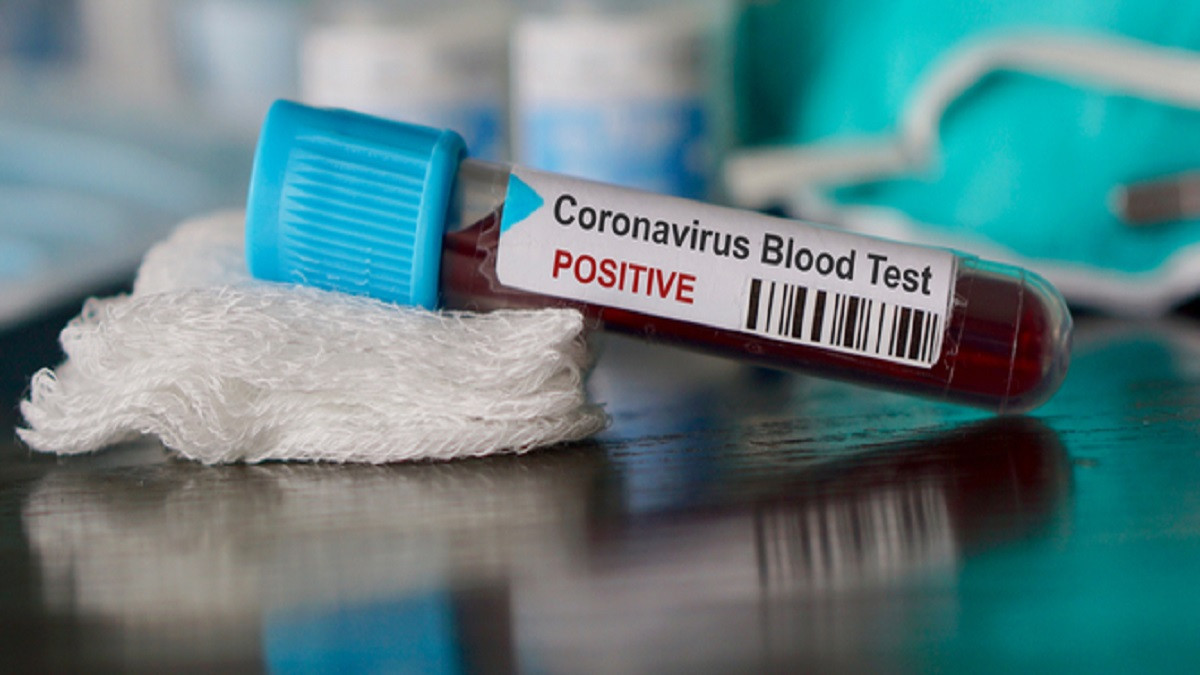
Since the announcement of the two confirmed cases of the COVID-19 on the 12th March 2020 by the Ministry of Health, Ghana has recorded 4 additional cases. This was announced by the Ministry of Information today in a press briefing. Two of the four cases were recorded on Friday and the other two recorded on Saturday.
[appbox googleplay screenshots com.nursinginghana.licensurequizgame]
The first case on Friday included a 56-year-old Ghanaian who travelled to the United Kingdom and came back to Obuasi, in the Ashanti Region on 4th March. He showed symptoms on Thursday, March 12, blood samples were tested at the Kumasi Centre for Collaborative Research in Tropical Medicine and came out positive. The other case on Friday involved a Ghanaian student who had travelled to the US. She came back on Monday, March 9 but showed signs of Covid-19 on Friday, March 13. A test was run at Noguchi Memorial Institute of Medical Research and was confirmed positive.
The Saturday case involved a Ghanaian, 42, who had flown into Ghana on Sunday, March 8 has travelled to Switzerland and the UK. He showed symptoms on Monday, March 9. The other case was reported at the Tema General Hospital on Saturday with fever and acute respiratory illness. The man, 41, had travelled to Germany and Turkey within the last 14 days.
All the confirmed cases have since been quarantined and receiving treatment and are in stable condition according to Dr Badu Sarkodie, Director of Public Health at the Ghana Health Service.
Discover more from Nursing In Ghana
Subscribe to get the latest posts sent to your email.








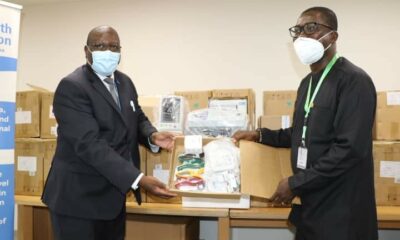


Zimbabwe intends to introduce legislation that would make it a criminal offense for other countries to recruit health workers from its workforce. This has resulted due to the current brain drain among nurses and doctors in the country. More than 4,000 nurses and doctors have left Zimbabwe since February 2021, seeking better working conditions abroad, with the UK’s National Health Service being a popular destination.
However, the UK halted the recruitment of Zimbabwean health workers last month after the country was placed on the World Health Organisation’s red list due to serious health personnel challenges. Having a nation placed on the red list signifies that it is facing a significant shortage of health workers. According to the Zimbabwe Medical Association, the country has only 3,500 doctors to serve a population of fifteen million people.
The Vice-President and Health Minister, Constantino Chiwenga, likened the drain of healthcare professionals to human trafficking. He intends to impose stiffer penalties on those who rob the nation of its human capital, which the government considers a crime against humanity and a violation of human rights. The current economic crisis in Zimbabwe with inflation and poor salaries has made the profession unattractive, thus seeking greener pastures in other countries, mostly the United Kingdom.
Discover more from Nursing In Ghana
Subscribe to get the latest posts sent to your email.

According to reports by Shingai Nyoka of BBC, health clinics in Zimbabwe are facing a crisis as a significant number of their nurses are leaving for better opportunities outside the country mostly in the United Kingdom.
Perpetua Kaseke, the acting Chief Nursing Officer for the authorities in the capital, Harare, told Nyoka that most of her clinics were operating at 50% capacity as most of them have left to the UK or Ireland, others to Zimbabwe’s neighboring countries. Most nurses in Zimbabwe are underpaid and can barely afford rent and other needs. They are now fed up.
According to Zimbabwe’s State Health Service Board, over 2,200 medical personnel left its services last year alone of which 900 of them were nurses.
Nyoka spoke to one nurse who had left for the United Kingdom since last July and he indicated that he now earns about 10 times what he did back in Zimbabwe and the money he sends back goes a long way. He can now afford to send his children to boarding school and support other family members in need.
Discover more from Nursing In Ghana
Subscribe to get the latest posts sent to your email.
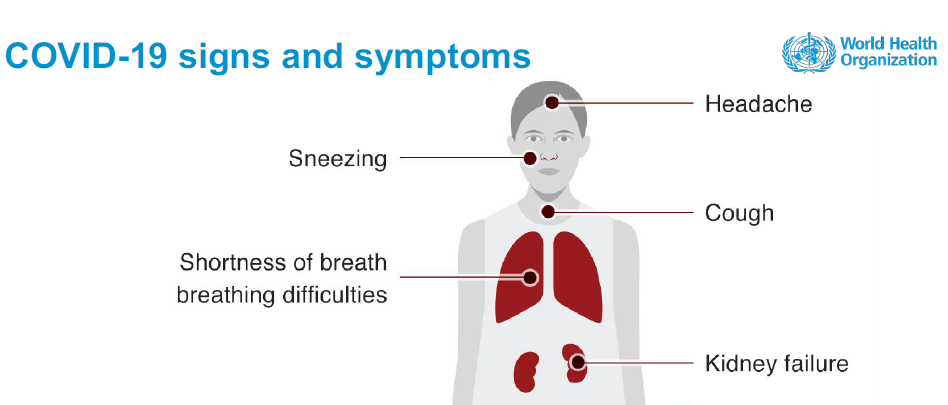
SIGNS AND SYMPTOMS
Early Stage signs and symptoms include: Fever above 38oC combined with respiratory symptoms including:- Cough
- Shortness of breath
- Runny nose
- Weakness
- Malaise
- Nausea/vomiting
- Diarrhea
- Headache
- Pneumonia
- Bronchitis

COVID-19 SIGNS AND SYMPTOMS
Discover more from Nursing In Ghana
Subscribe to get the latest posts sent to your email.

FUNERAL HELD FOR GHANAIAN MIDWIFE, GRACE BENYIN WHO DIED IN IRELAND

GHANA, GRENADA SIGN NURSE RECRUITMENT DEAL – APPLICATIONS OPEN OCT 24-28, 2025
Scotland NHS Recruiting International Nurses

Ministry of Health Postpones Media Engagement on Unpaid Salaries

NMC Issues Strong Warning to Nurses Against Unprofessional Conduct on Social Media
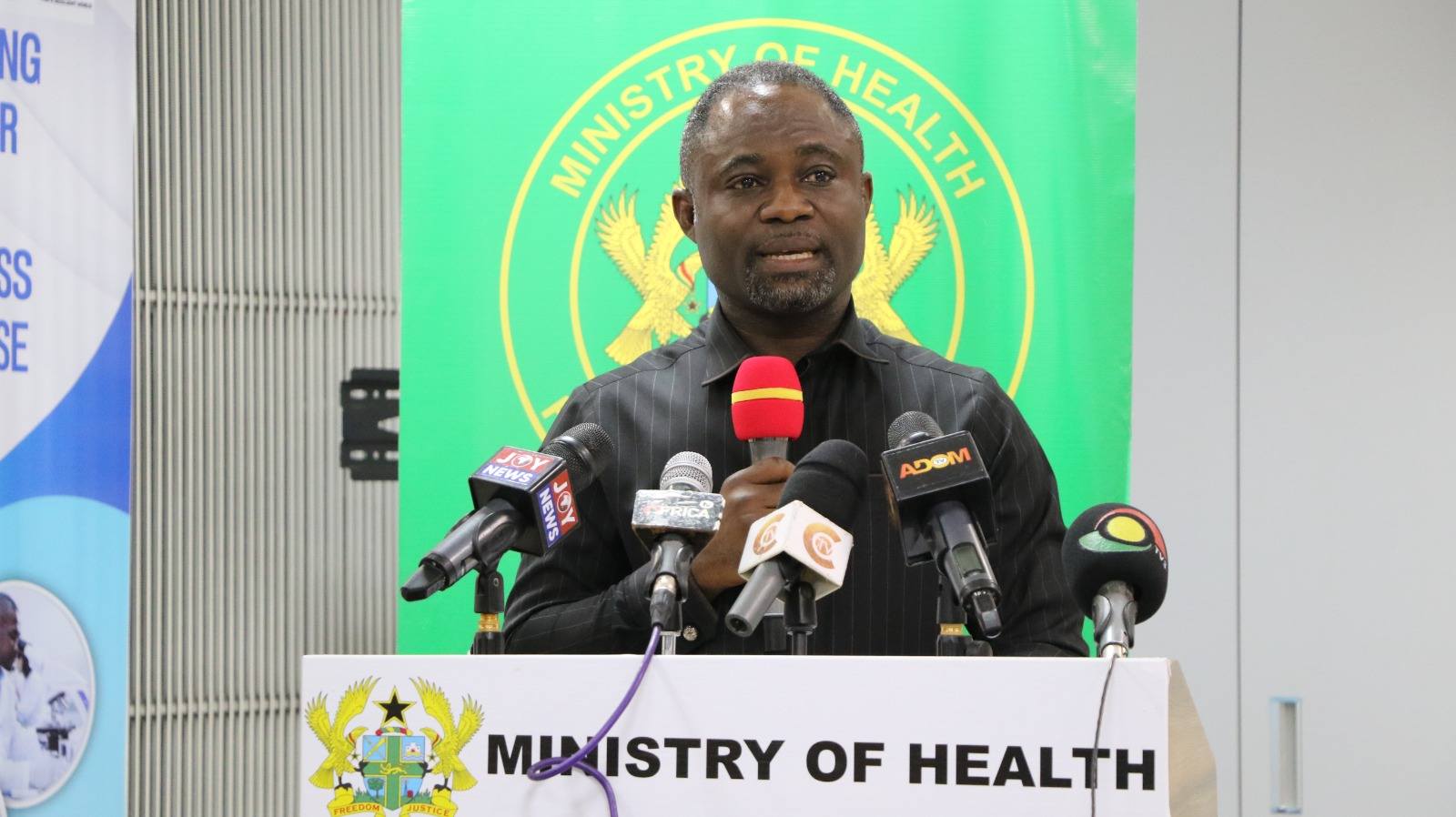
Government slashes 50% off Nursing Training Fees-Press Release

GRNMA Youth Committee launches 2025 International Youth Day celebration

President Mahama promises UHAS expansion to train more health workers
LIST OF ACCREDITED GOVERNMENT NURSING AND MIDWIFERY TRAINING SCHOOLS IN GHANA

NURSING ADMISSION FORMS ON SALE FOR THE 2023/2024 ACADEMIC YEAR

THE NURSES PLEDGE AND THE MIDWIVE’S PRAYER

NURSING TRAINING ADMISSION INTERVIEW QUESTIONS

GHS INTRODUCES TWO NEW BELT COLOURS FOR TWO NEW LEVELS IN THE NURSING AND MIDWIFERY SERVICE

MOH SUSPENDS THE 2021/2022 ACADEMIC CALENDAR FOR NURSING AND MIDWIFERY SCHOOLS

COMMON TYPES OF INTRAVENOUS (IV) FLUIDS AND THEIR USES

LIST OF PRIVATE NURSING AND MIDWIFERY TRAINING SCHOOLS (ACCREDITED)
-
 Nursing News5 years ago
LIST OF ACCREDITED GOVERNMENT NURSING AND MIDWIFERY TRAINING SCHOOLS IN GHANA
-
 Nursing News3 years ago
NURSING ADMISSION FORMS ON SALE FOR THE 2023/2024 ACADEMIC YEAR
-
 Nursing Procedures and Skills5 years ago
THE NURSES PLEDGE AND THE MIDWIVE’S PRAYER
-
 Nursing Procedures and Skills5 years ago
NURSING TRAINING ADMISSION INTERVIEW QUESTIONS
-
 Nursing News4 years ago
GHS INTRODUCES TWO NEW BELT COLOURS FOR TWO NEW LEVELS IN THE NURSING AND MIDWIFERY SERVICE
-
 Nursing News5 years ago
MOH SUSPENDS THE 2021/2022 ACADEMIC CALENDAR FOR NURSING AND MIDWIFERY SCHOOLS
-
 Notes5 years ago
COMMON TYPES OF INTRAVENOUS (IV) FLUIDS AND THEIR USES
-
 Nursing News5 years ago
LIST OF PRIVATE NURSING AND MIDWIFERY TRAINING SCHOOLS (ACCREDITED)