
Drug Study
Cimetidine (Tagamet)

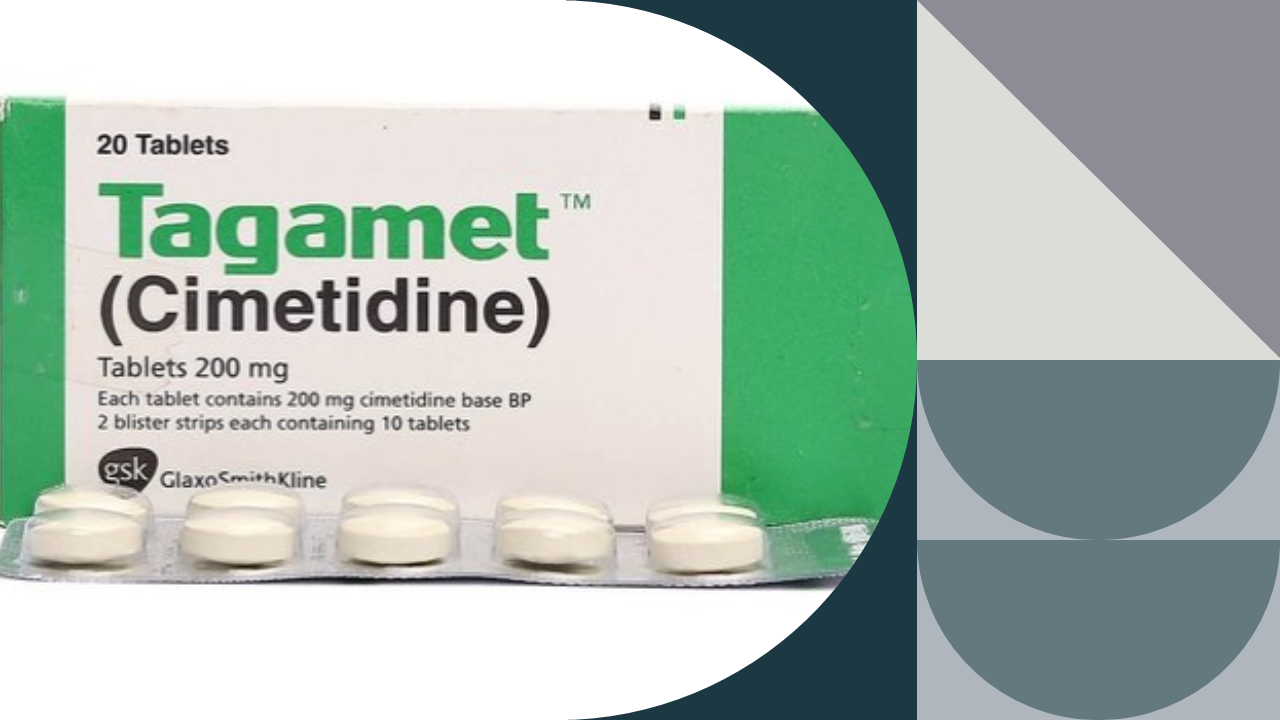
Cimetidine (Tagamet) inhibits the action of histamine at the histamine2 (H2) receptors of the stomach, inhibiting gastric acid secretion and reducing total pepsin output.
Brand Names
- Tagamet
- Tagamet HB, Tagamet HB Suspension
Drug class
- Histamine2 (H2) antagonist
- Pregnancy Category B
Therapeutic actions
Inhibits the action of histamine at the histamine2 (H2) receptors of the stomach, inhibiting gastric acid secretion and reducing total pepsin output.
Indications
- Short-term treatment of active duodenal ulcer
- Short-term treatment of benign gastric ulcer
- Treatment of pathologic hypersecretory conditions (Zollinger-Ellison syndrome)
- Prophylaxis of stress-induced ulcers and acute upper GI bleeding in critical patients
- Treatment of erosive GERD
- OTC use: Relief of symptoms of heartburn, acid indigestion, sour stomach
Contraindications and Cautions
- Contraindicated with allergy to cimetidine.
- Use cautiously with impaired renal or hepatic function, lactation.
Available Forms
Tablets—100, 200, 300, 400, 800 mg; liquid—300 mg/5 mL; injection—150 mg/mL, 300 mg/2 mL
Dosages
ADULTS
- Active duodenal ulcer: 800 mg PO hs or 300 mg PO qid at meals and hs or 400 mg PO bid; continue for 4–6 wk. For intractable ulcers, 300 mg IM or IV q 6–8 hr.
- Maintenance therapy for duodenal ulcer: 400 mg PO hs.
- Active gastric ulcer: 300 mg PO qid at meals and hs or 800 mg hs.
- Pathologic hypersecretory syndrome: 300 mg PO qid at meals and hs, or 300 mg IV or IM q 6 hr. Individualize doses as needed; do not exceed 2,400 mg/day.
- Erosive GERD: 1,600 mg PO in divided doses bid–qid for 12 wk.
- Prevention of upper GI bleeding: Continuous IV infusion of 50 mg/hr. Do not treat beyond 7 days (if creatinine clearance < 30 ml/min, give 25 mg/hr).
- Heartburn, acid indigestion: 200 mg as symptoms occur, up to 4 tablets/24 hr.
PEDIATRIC PATIENTS
Not recommended for children < 12 yr.
GERIATRIC PATIENTS OR PATIENTS WITH IMPAIRED RENAL FUNCTION
Accumulation may occur. Use lowest dose possible, 300 mg PO or IV q 12 hr; may be increased to q 8 hr if patient tolerates it and levels are monitored; if creatinine clearance < 30 ml/min, give 25 mg/hr IV for prevention of upper GI bleed.
Adverse Effects
- CNS: Dizziness, somnolence, headache, confusion, hallucinations, peripheral neuropathy; symptoms of brain stem dysfunction (dysarthria, ataxia, diplopia)
- CV: Cardiac arrhythmias, cardiac arrest, hypotension (IV use)
- GI: Diarrhea
- Hematologic: Increases in plasma creatinine, serum transaminase
- Other: Impotence (reversible), gynecomastia (in long-term treatment), rash, vasculitis, pain at IM injection site
Interactions
Drug-drug
- Increased risk of decreased white blood cell counts with antimetabolites, alkylating agents, other drugs known to cause neutropenia
- Increased serum levels and risk of toxicity of warfarin-type anticoagulants, phenytoin, beta-adrenergic blocking agents, alcohol, quinidine, lidocaine, theophylline, chloroquine, certain benzodiazepines (alprazolam,chlordiazepoxide, diazepam, flurazepam, triazolam), nifedipine, pentoxifylline, TCAs, procainamide, carbamazepine when taken with cimetidine
Nursing Interventions
- Give drug with meals and hs.
- Administer IM dose undiluted deep into large muscle group.
- Arrange for regular follow-up, including blood tests to evaluate effects.
Discover more from Nursing In Ghana
Subscribe to get the latest posts sent to your email.








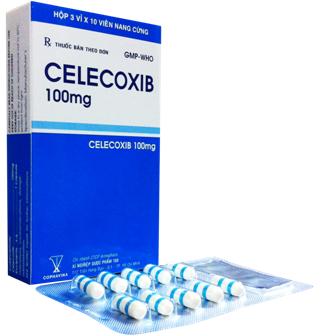
Celecoxib (Celebrex) is a non-opioid analgesic used for the management of acute pain and acute and long-term treatment of signs and symptoms of rheumatoid arthritis and osteoarthritis
Generic Name
celecoxib
(sell ah cocks’ ib)
Brand Name
Celebrex
Drug classes
- NSAID
- Analgesic (nonopioid)
- Specific COX-2 enzyme blocker
Therapeutic actions
Analgesic and anti-inflammatory activities related to inhibition of the COX-2 enzyme, which is activated in inflammation to cause the signs and symptoms associated with inflammation; does not affect the COX-1 enzyme, which protects the lining of the GI tract and has blood clotting and renal functions.
Indications
- Acute and long-term treatment of signs and symptoms of rheumatoid arthritis and osteoarthritis
- Reduction of the number of colorectal polyps in familial adenomatous polyposis (FAP)
- Management of acute pain
- Treatment of primary dysmenorrhea
Contraindications and cautions
- Contraindicated with allergies to sulfonamides, celecoxib, NSAIDs, or aspirin; significant renal impairment; pregnancy (third trimester); lactation.
- Use cautiously with impaired hearing, hepatic, and CV conditions.
Available forms
Capsules—100, 200 mg
Dosages
ADULTS
- Initially, 100 mg PO bid; may increase to 200 mg/day PO bid as needed.
- Acute pain, dysmenorrhea: 400 mg, then 200 mg PO bid.
- FAP: 400 mg PO bid.
PEDIATRIC PATIENTS
Safety and efficacy have not been established.
PATIENTS WITH HEPATIC IMPAIRMENT
Reduce dosage by 50%.
Adverse effects
- CNS: Headache, dizziness, somnolence, insomnia, fatigue, tiredness, dizziness, tinnitus, ophthamologic effects
- Dermatologic: Rash, pruritus, sweating, dry mucous membranes, stomatitis
- GI: Nausea, abdominal pain, dyspepsia, flatulence, GI bleed
- Hematologic: Neutropenia, eosinophilia, leukopenia, pancytopenia, thrombocytopenia, agranulocytosis, granulocytopenia, aplastic anemia, decreased hemoglobin or hematocrit, bone marrow depression,menorrhagia
- Other: Peripheral edema, anaphylactoid reactions to anaphylactic shock.
Interactions
Drug-drug
- Increased risk of bleeding if taken concurrently with warfarin. Monitor patient closely and reduce warfarin dose as appropriate
- Increased lithium levels and toxicity
- Increased risk of GI bleeding with long-term alcohol use, smoking
Nursing considerations
Name confusion has occurred between Celebrex (celecoxib), Celexa (citalopram), Xanax (alprazolam), and Cerebyx (fosphenytoin); use caution.
Interventions
- Administer drug with food or after meals if GI upset occurs.
- Establish safety measures if CNS, visual disturbances occur.
- Arrange for periodic ophthalmologic examination during long-term therapy.
- WARNING: If overdose occurs, institute emergency procedures—gastric lavage, induction of emesis, supportive therapy.
- Provide further comfort measures to reduce pain (eg, positioning, environmental control), and to reduce inflammation (eg, warmth, positioning, rest).
Patient teaching points
- Take drug with food or meals if GI upset occurs.
- Take only the prescribed dosage.
- You may experience these side effects: Dizziness, drowsiness (avoid driving or the use of dangerous machinery while using this drug).
- Report sore throat, fever, rash, itching, weight gain, swelling in ankles or fingers; changes in vision.
Discover more from Nursing In Ghana
Subscribe to get the latest posts sent to your email.
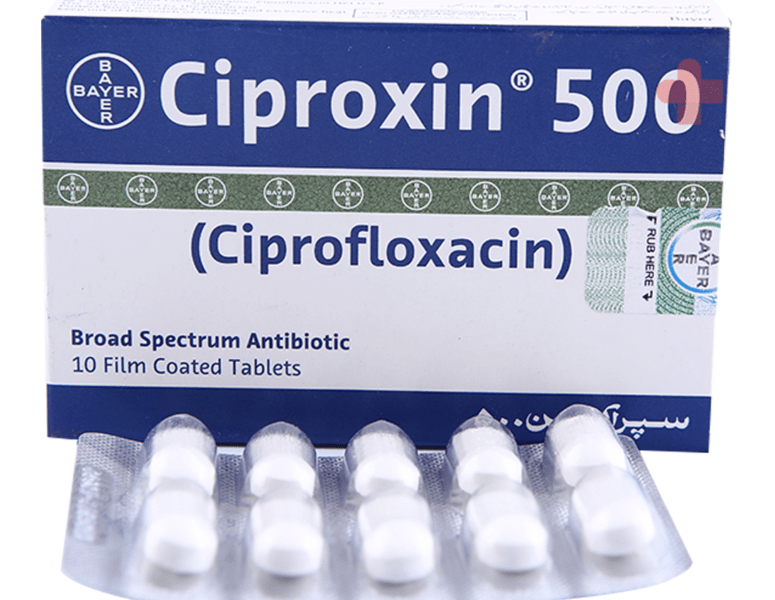
Ciprofloxacin (Cipro) is a fluoroquinolone used for the treatment of infections caused by susceptible gram-negative bacteria, including E. coli, P. mirabilis, K. pneumoniae, Enterobacter cloacae, P. vulgaris, P. rettgeri, M. morganii, P. aeruginosa,Citrobacter freundii, S. aureus, S. epidermidis, group D streptococci.
Indications
- For the treatment of infections caused by susceptible gram-negative bacteria, including E. coli, P. mirabilis, K. pneumoniae, Enterobacter cloacae, P. vulgaris, P. rettgeri, M. morganii, P. aeruginosa,Citrobacter freundii, S. aureus, S. epidermidis, group D streptococci
- Otic: Treatment of acute otitis externa
- Treatment of chronic bacterial prostatitis
- IV: Treatment of nosocomial pneumonia caused by Haemophilus influenzae, K. pneumoniae
- Oral: Typhoid fever
- Oral: STDs caused by N. gonorrheae
Contraindications and cautions
- Contraindicated with allergy to ciprofloxacin, norfloxacin or other fluoroquinolones, pregnancy, lactation.
- Use cautiously with renal dysfunction, seizures, tendinitis or tendon rupture associated with fluoroquinolone use
Dosages
ADULTS
- Uncomplicated UTIs: 100–250 mg PO q 12 hr for 3 days or 500 mg PO daily (ER tablets) for 3 days.
- Mild to moderate UTIs: 250 mg PO q 12 hr for 7–14 days or 200 mg IV q 12 hr for 7–14 days.
- Complicated UTIs: 500 mg bid PO q 12 hr for 7–14 days or 400 mg IV q 12 hr or 1,000 mg (ER tablets) PO daily for 7–14 days.
- Chronic bacterial prostatitis: 500 mg PO q 12 hr for 28 days or 400 mg IV q 12 hr for 28 days.
- Infectious diarrhea: 500 mg q 12 hr PO for 5–7 days.
- Anthrax postexposure: 500 mg PO q 12 hr for 60 days or 400 mg IV q 12 hr for 60 days.
- Respiratory infections 500–750 mg PO or 400 mg IV q 12 hr for 7–14 days.
- Acute sinusitis: 500 mg PO q 12 hr or 400 mg IV q 12 hr for 10 days.
- Acute uncomplicated pyelonephritis: 1,000 mg ER tablets PO daily for 7–14 days.
- Bone, joint, skin infections: 500–750 mg PO or 400 mg IV q 12 hr for 4–6 wk.
- Nosocomial pneumonia: 400 mg IV q 8 hr.
- Ophthalmic infections caused by susceptible organisms not responsive to other therapy: 1 or 2 drops per eye daily or bid or 1/2-inch ribbon of ointment into conjunctival sac tid on first 2 days, then apply 1/2-inch ribbon bid for next 5 days.
- Acute otitis externa: 4 drops in infected ear, tid–qid.
Adverse effects
- CNS: Headache, dizziness, insomnia, fatigue, somnolence, depression, blurred vision
- CV: Arrhythmias, hypotension, angina
- EENT: Dry eye, eye pain, keratopathy
- GI: Nausea, vomiting, dry mouth, diarrhea, abdominal pain
- Hematologic: Elevated BUN, AST, ALT, serum creatinine and alkaline phosphatase; decreased WBC, neutrophil count, Hct
- Other: Fever, rash
Nursing Assessment
- History: Allergy to ciprofloxacin, norfloxacin or other quinolones; renal dysfunction; seizures; lactation
- Physical: Skin color, lesions; orientation, reflexes, affect; mucous membranes, bowel sounds; renal and liver function tests
Nursing Interventions
- Arrange for culture and sensitivity tests before beginning therapy.
- Continue therapy for 2 days after signs and symptoms of infection are gone.
- Ensure that patient is well hydrated.
- Give antacids at least 2 hrs after dosing.
- Monitor clinical response; if no improvement is seen or a relapse occurs, repeat culture and sensitivity.
- Encourage patient to complete full course of therapy.
Patient Education
- Educate patient not to touch tip of eye ointment or solution for this may contaminate the product.
- Encourage patient to drink plenty of fluids while taking this drug.
- Educate patient on these side effects: Nausea, vomiting, abdominal pain (eat frequent small meals); diarrhoea or constipation; drowsiness, blurring of vision, dizziness (observe caution when driving or using dangerous equipment).
- Encourage patient to report rash, visual changes, severe GI problems, weakness, tremors.
Discover more from Nursing In Ghana
Subscribe to get the latest posts sent to your email.
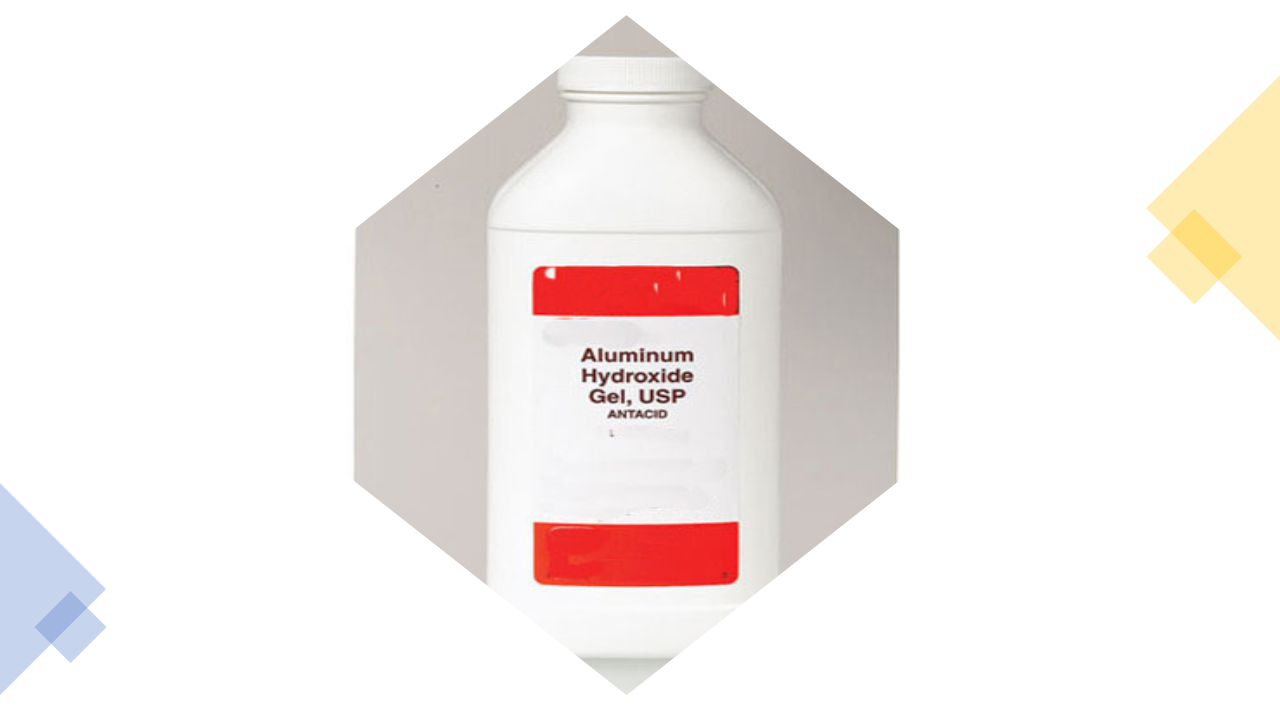
Generic Name: aluminum hydroxide
Brand Name: Alu-Cap, Alugel, Alu-Tab, Amphogel, Dialume
Classifications: gastrointestinal agent; antacid; adsorbent
Actions
Nonsystemic antacid with moderate neutralizing action. Decreases rate of gastric emptying and has demulcent, adsorbent, and mild astringent properties. Reduces acid concentration and pepsin activity by raising pH of gastric and intraesophageal secretions.
Therapeutic Effects
Reduces gastric acidity by neutralizing the stomach acid content. Aluminum hydroxide lowers serum phosphate by binding dietary phosphate to form insoluble aluminum phosphate, which is excreted in feces.
Uses
Symptomatic relief of gastric hyperacidity associated with gastritis, esophageal reflux, and hiatal hernia; adjunct in treatment of gastric and duodenal ulcer. More commonly used in combination with other antacids. Aluminum hydroxide is used primarily in conjunction with a low phosphate diet to reduce hyperphosphatemia in patients with renal insufficiency and for prophylaxis and treatment of phosphatic renal calculi.
Cautious Use
Renal impairment; gastric outlet obstruction; older adults; decreased bowel activity (e.g., patients receiving anticholinergic, antidiarrheal, or antispasmodic agents); patients who are dehydrated or on fluid restriction.
Dosage
Adult: PO 600 mg t.i.d. or q.i.d.
Administration
Oral
- Tablet must be chewed until it is thoroughly wetted before swallowing.
- Note for antacid use: Follow well-chewed tablet with one-half glass of water or milk; follow liquid preparation (suspension) with water to ensure passage into stomach. For phosphate lowering: follow tablet, capsule, or suspension with full glass of water or fruit juice.
- Store between 15°–30° C in tightly closed container.
Adverse Effects
GI: Constipation, fecal impaction, intestinal obstruction.
Interactions
Drug: Aluminum will decrease absorption of chloroquine, cimetidine, ciprofloxacin, digoxin, isoniazid, iron salts, NSAIDs, norfloxacin, ofloxacin, phenytoin, phenothiazines, quinidine, tetracycline, thyroxine. Sodium polystyrene sulfonate may cause systemic alkalosis.
Nursing Considerations
Assessment & Drug Effects
- Note number and consistency of stools. Constipation is common and dose related. Intestinal obstruction from fecal concretions has to be reported.
- Lab tests: Monitor periodic serum calcium and phosphorus levels with prolonged high-dose therapy or impaired renal function.
Patient & Family Education
- Increase phosphorus in diet when taking large doses of these antacids for prolonged periods; hypophosphatemia can develop within 2 wk of continuous use of these antacids. The older adult in a poor nutritional state is at high risk.
- Antacid may cause stools to appear speckled or whitish.
- Report epigastric or abdominal pain; it is a clinical guide for adjusting dosage. Keep physician informed. Pain that persists beyond 72 h may signify serious complications.
- Seek medical help if indigestion is accompanied by shortness of breath, sweating, or chest pain, if stools are dark or tarry, or if symptoms are recurrent when taking this medication.
- Seek medical advice and supervision if self-prescribed antacid use exceeds 2 weeks
Discover more from Nursing In Ghana
Subscribe to get the latest posts sent to your email.

FUNERAL HELD FOR GHANAIAN MIDWIFE, GRACE BENYIN WHO DIED IN IRELAND

GHANA, GRENADA SIGN NURSE RECRUITMENT DEAL – APPLICATIONS OPEN OCT 24-28, 2025

Scotland NHS Recruiting International Nurses

Ministry of Health Postpones Media Engagement on Unpaid Salaries

NMC Issues Strong Warning to Nurses Against Unprofessional Conduct on Social Media

Government slashes 50% off Nursing Training Fees-Press Release

GRNMA Youth Committee launches 2025 International Youth Day celebration

President Mahama promises UHAS expansion to train more health workers
LIST OF ACCREDITED GOVERNMENT NURSING AND MIDWIFERY TRAINING SCHOOLS IN GHANA

NURSING ADMISSION FORMS ON SALE FOR THE 2023/2024 ACADEMIC YEAR

THE NURSES PLEDGE AND THE MIDWIVE’S PRAYER

NURSING TRAINING ADMISSION INTERVIEW QUESTIONS

GHS INTRODUCES TWO NEW BELT COLOURS FOR TWO NEW LEVELS IN THE NURSING AND MIDWIFERY SERVICE

MOH SUSPENDS THE 2021/2022 ACADEMIC CALENDAR FOR NURSING AND MIDWIFERY SCHOOLS

COMMON TYPES OF INTRAVENOUS (IV) FLUIDS AND THEIR USES

LIST OF PRIVATE NURSING AND MIDWIFERY TRAINING SCHOOLS (ACCREDITED)
-
 Nursing News5 years ago
LIST OF ACCREDITED GOVERNMENT NURSING AND MIDWIFERY TRAINING SCHOOLS IN GHANA
-
 Nursing News3 years ago
NURSING ADMISSION FORMS ON SALE FOR THE 2023/2024 ACADEMIC YEAR
-
 Nursing Procedures and Skills5 years ago
THE NURSES PLEDGE AND THE MIDWIVE’S PRAYER
-
 Nursing Procedures and Skills5 years ago
NURSING TRAINING ADMISSION INTERVIEW QUESTIONS
-
 Nursing News4 years ago
GHS INTRODUCES TWO NEW BELT COLOURS FOR TWO NEW LEVELS IN THE NURSING AND MIDWIFERY SERVICE
-
 Nursing News5 years ago
MOH SUSPENDS THE 2021/2022 ACADEMIC CALENDAR FOR NURSING AND MIDWIFERY SCHOOLS
-
 Notes5 years ago
COMMON TYPES OF INTRAVENOUS (IV) FLUIDS AND THEIR USES
-
 Nursing News5 years ago
LIST OF PRIVATE NURSING AND MIDWIFERY TRAINING SCHOOLS (ACCREDITED)