
History
IS THE NURSES’ CAP LOSING ITS RELEVANCE IN THIS MODERN ERA OF NURSING?

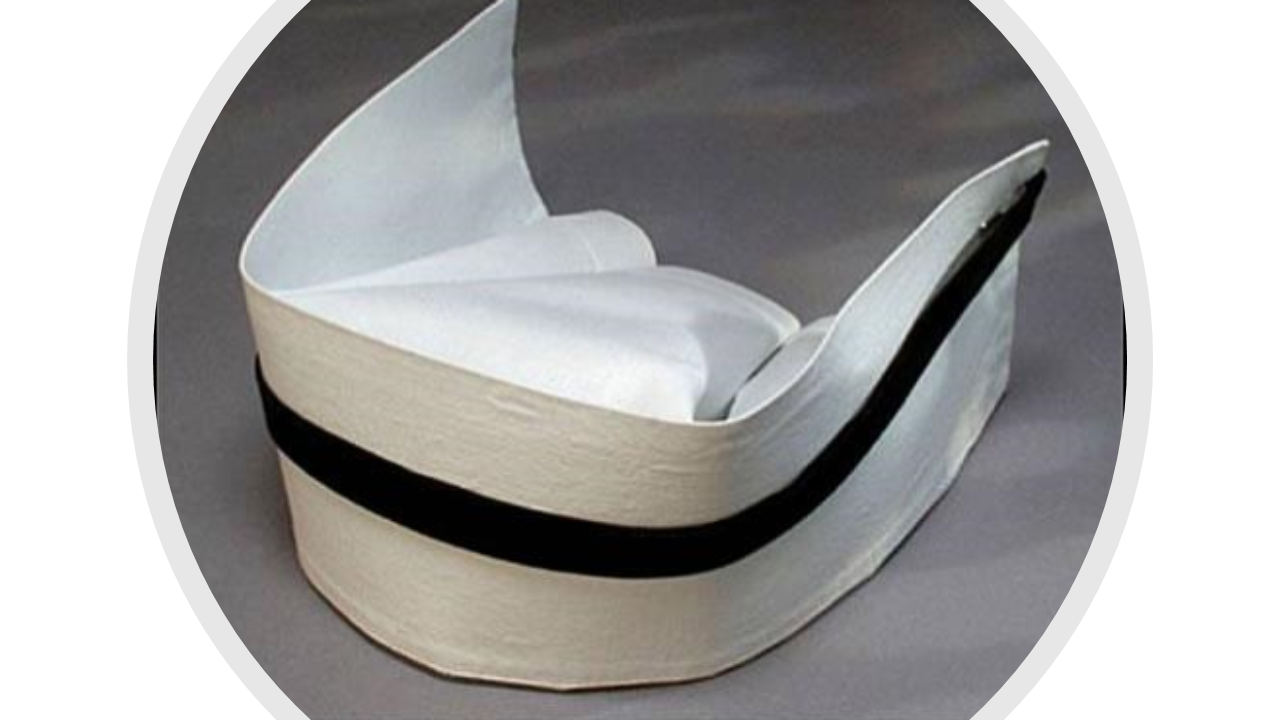
HISTORY OF THE NURSES’ CAP
The profession of nursing has been around for centuries, but the development of nursing as a calling truly took off in the 19th Century with the work of Florence Nightingale. Nightingale saw the need to bring professionalism to nursing. She was instrumental in developing training the nurses need as well as the uniform which helped give them a professional look. Part of the uniform that was accepted was the nurse’s cap. The nurse’s cap was designed after a nurse’s habit, as a way to pay homage to the work of nuns as the earliest nurses. The cap’s original use of the nurse’s cap was to keep a female nurse’s hair neatly in place and present a professional appearance. Over the course of time, the nurse’s cap evolved into two styles. One is a long nurse’s cap which covers most of the nurse’s head and the other is a short nurse’s cap which sits on top of the head.
The nurse’s cap has also had a ceremonial purpose. For many years the nurse’s cap was used in a ceremony for new nurses. The capping ceremony was instituted as a way to present a nurse’s cap to students who have completed schoolwork prior to beginning hospital training.
The nurse’s cap has undergone several changes throughout the years. The origin of the cap was the habit that nuns wore. Over the years, the nurse’s cap has evolved from a large-cap, which virtually covered the entire head of a nurse to the current version which is just a small cap that sits on top of the nurse’s head.
However, over the course of time, the nurse’s cap has been used less and less. In some hospitals, the cap is still used by nurses. However, due to concerns of the cap being a carrier of bacteria, the cap has been neglected. Also, with the increasing number of men in the nursing profession, the nurse’s cap has gone away being replaced by nursing scrubs.
While the nurse’s cap is not widely used in the modern era, the cap still has an important place in the history of nursing. From the days to Florence Nightingale to the present-day capping ceremonies, a nurse’s cap is a symbol of one of the noblest professions – nursing.
Discover more from Nursing In Ghana
Subscribe to get the latest posts sent to your email.








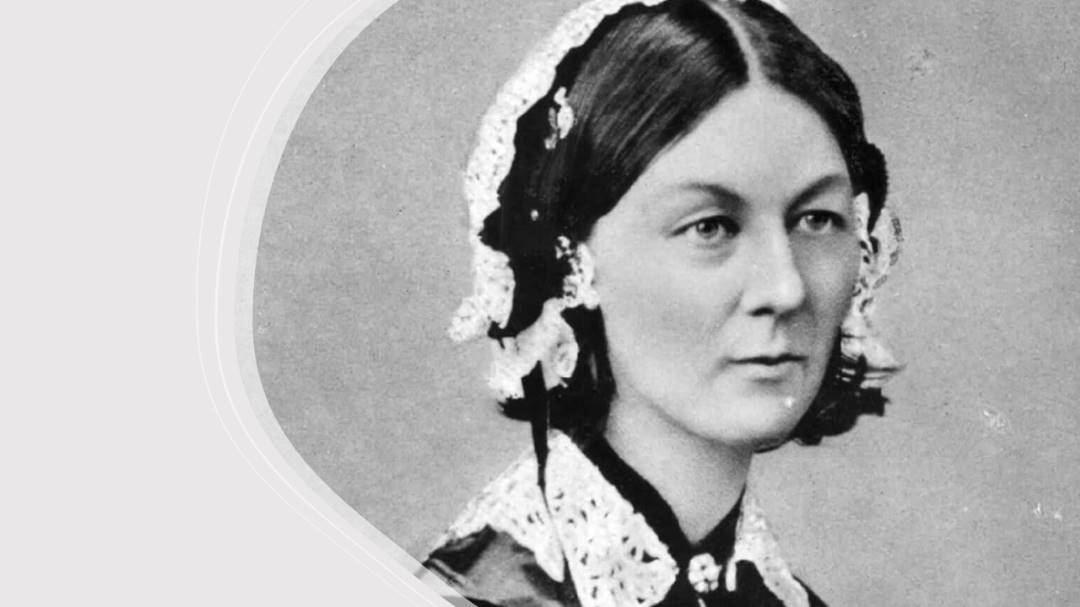
Florence Nightingale was a British nurse, writer, and social reformer who is best known for her work during the Crimean War, where she tended to wounded soldiers and improved the unsanitary conditions of military hospitals. She is considered to be the founder of modern nursing and was an influential figure in the development of healthcare systems.
Nightingale was born on May 12, 1820, in Florence, Italy, to a wealthy British family. As a child, she was well-educated and developed an interest in nursing and social reform at an early age. Despite the objections of her family, Nightingale decided to pursue a career in nursing and began training at the Institution of Protestant Deaconesses in Kaiserswerth, Germany, in 1844.
In 1853, Nightingale was appointed as the supervisor of the Female Nursing Society at the Hospital for Invalid Gentlewomen in London. In this role, she was responsible for overseeing the care of female patients and training nurses.
In 1854, the Crimean War broke out and Nightingale was asked to lead a team of nurses to the Ottoman Empire to tend to wounded soldiers. Upon arriving at the military hospital in Scutari, Nightingale was shocked by the unsanitary conditions and lack of basic medical supplies. She immediately set to work improving the hospital, introducing cleanliness standards, and training local women to assist with nursing duties.
Nightingale’s efforts during the Crimean War earned her the nickname “The Lady with the Lamp” and she became a celebrated figure in Britain and abroad. After the war, she wrote “Notes on Nursing,” a book that outlined the principles of modern nursing and became a seminal text in the field.
In addition to her work in nursing, Nightingale was also an influential figure in the development of healthcare systems. She advocated for the establishment of a national system of healthcare and worked to improve the education and training of nurses. She also worked to improve the working conditions of nurses and to make nursing a respected profession.
Nightingale’s legacy lives on today through the many institutions and organizations that bear her name, including the Florence Nightingale School of Nursing and Midwifery at King’s College London and the Florence Nightingale Foundation, a charity that supports the development of nursing and healthcare.
Sources:
- “Florence Nightingale.” Encyclopedia Britannica. https://www.britannica.com/biography/Florence-Nightingale
- “Florence Nightingale.” Biography.com. https://www.biography.com/personality/florence-nightingale
- “Florence Nightingale.” National Trust. https://www.nationaltrust.org.uk/greenway/features/florence-nightingale
Discover more from Nursing In Ghana
Subscribe to get the latest posts sent to your email.
Discover more from Nursing In Ghana
Subscribe to get the latest posts sent to your email.

FUNERAL HELD FOR GHANAIAN MIDWIFE, GRACE BENYIN WHO DIED IN IRELAND

GHANA, GRENADA SIGN NURSE RECRUITMENT DEAL – APPLICATIONS OPEN OCT 24-28, 2025

Scotland NHS Recruiting International Nurses

Ministry of Health Postpones Media Engagement on Unpaid Salaries

NMC Issues Strong Warning to Nurses Against Unprofessional Conduct on Social Media

Government slashes 50% off Nursing Training Fees-Press Release

GRNMA Youth Committee launches 2025 International Youth Day celebration

President Mahama promises UHAS expansion to train more health workers
LIST OF ACCREDITED GOVERNMENT NURSING AND MIDWIFERY TRAINING SCHOOLS IN GHANA

NURSING ADMISSION FORMS ON SALE FOR THE 2023/2024 ACADEMIC YEAR

THE NURSES PLEDGE AND THE MIDWIVE’S PRAYER

NURSING TRAINING ADMISSION INTERVIEW QUESTIONS

GHS INTRODUCES TWO NEW BELT COLOURS FOR TWO NEW LEVELS IN THE NURSING AND MIDWIFERY SERVICE

MOH SUSPENDS THE 2021/2022 ACADEMIC CALENDAR FOR NURSING AND MIDWIFERY SCHOOLS

COMMON TYPES OF INTRAVENOUS (IV) FLUIDS AND THEIR USES

LIST OF PRIVATE NURSING AND MIDWIFERY TRAINING SCHOOLS (ACCREDITED)
-
 Nursing News5 years ago
LIST OF ACCREDITED GOVERNMENT NURSING AND MIDWIFERY TRAINING SCHOOLS IN GHANA
-
 Nursing News3 years ago
NURSING ADMISSION FORMS ON SALE FOR THE 2023/2024 ACADEMIC YEAR
-
 Nursing Procedures and Skills5 years ago
THE NURSES PLEDGE AND THE MIDWIVE’S PRAYER
-
 Nursing Procedures and Skills5 years ago
NURSING TRAINING ADMISSION INTERVIEW QUESTIONS
-
 Nursing News4 years ago
GHS INTRODUCES TWO NEW BELT COLOURS FOR TWO NEW LEVELS IN THE NURSING AND MIDWIFERY SERVICE
-
 Nursing News5 years ago
MOH SUSPENDS THE 2021/2022 ACADEMIC CALENDAR FOR NURSING AND MIDWIFERY SCHOOLS
-
 Notes5 years ago
COMMON TYPES OF INTRAVENOUS (IV) FLUIDS AND THEIR USES
-
 Nursing News5 years ago
LIST OF PRIVATE NURSING AND MIDWIFERY TRAINING SCHOOLS (ACCREDITED)