
Notes
NURSING ABBREVIATIONS AND ACRONYMS YOU SHOULD KNOW

- a – before
- A&E – accident and emergency
- AAMI – age-associated memory impairment
- AB – abortion
- Ab – antibody
- ABCDE – airway and cervical spine, breathing, circulation, disability, exposure
- Abd abdomen/abdominal
- ABG – arterial blood gas
- ABP – acute bacterial prostatitis
- ABT – antibiotic therapy
- AC – Adriamycin and Cytoxan
- Ac – before meals ( ante cibum)
- ACE – all-cotton elastic
- ACE – angiotensin-converting enzyme
- ACLS – Advanced Cardiac Life Support
- ACTH – adrenocorticotrophic hormone
- AD – advance directive
- AD – right ear (auricular dexter)
- ad lib – as desired
- ADA – American Diabetes Association
- ADAMHA – Alcohol, Drug Abuse and Mental Health Administration
- ADC – AIDS dementia complex
- ADH – antidiuretic hormone
- ADL – activities of daily living
- AEA – above-the-elbow amputation
- AEB – as evidenced by
- AED – automated external defibrillator
- AFP – alpha-fetoprotein
- Ag – antigen
- AGA – appropriate for gestational age
- AHF – antihaemophilic factor
- AHG – antihaemophilic globulin
- AI – adequate intake
- AICD – automatic implantable cardioverter-defibrillator
- AIDS – Acquired immune deficiency syndrome
- AIH – artificial insemination
- AKA – Above knee amputation
- ALL – acute lymphocytic leukaemia
- ALS – amyotrophic lateral sclerosis
- ALT – alanineaspartate aminotransferase
- am – before noon( ante meridian)
- AMA – against medical advice
- Amb – Ambulatory, able to walk
- AML – acute myelogenous leukemia
- Amt – amount
- Angio – angiogram
- ANP – atrial natriuretic peptide
- AP – apical pulse; assault precautions; anterior-posterior
- AP – appendectomy
- APGAR – A appearance (color) P pulse (heart rate) G grimace (irritability) A activity (muscle tone) R respiratory effort
- APH – antepartum haemorrhage
- APIE – assessment, plan, intervention, evaluation
- APTT – activated partial thromboplastin time
- aq – water
- A-R – apical – radial (pulse)
- ARC – American Red Cross
- ARDD – alcohol-related developmental disability
- ARDS – adult acute respiratory distress syndrome
- ARND – alcohol-related neurodevelopmental disorder
- AROM – active range of motion; artificial rapture of membrane
- ARRP – anatomic retropubic radical prostatectomy
- AS – left ear (auricular sinister)
- AS – sickle cell trait
- ASA – acetylsalicyclic acid (aspirin)
- AST – aspartate aminotransferase
- ATLS – Advanced Trauma Life Support
- ATN – acute tubular necrosis
- ATP adenosine triphosphate
- AU – both ears (auricular utro)
- AV – atrioventricular
- AVPU – Alert, Verbal, Pain Response, Unresponsive
- B/P – blood pressure
- BA – bowel action
- Ba – barium
- Ba Meal – barium meal
- BBB – blood-brain barrier
- BBP – blood-borne pathogens
- BC – basal cell carcinoma
- BCG – vaccine Bacilli Calmette-guerin vaccine
- BCLS – Basic Cardiac Life Support
- BCP – birth control pill
- bd/ BD – twice a day
- BE – barium enema x-ray
- BEA – bellow-the-elbow amputation
- BGL – blood glucose level
- BGLs – blood glucose levels
- bid – twice a day
- BIDS – bedtime insulin and daytime sulfonylureas
- BK – below knee
- BKA – below knee amputation
- BLL – blood lead level
- BLS – Basic Life Support
- BMI – body mass index
- BMR – basal metabolic rate
- BMT – bone marrow transplant
- BNO – bowels not opened
- BO – bowels opened
- BOA – born out of asepsis
- BP – blood pressure
- BPAD – bipolar affective disorder
- BPD – bipolar disorder
- BPRS – Brief Psychiatric Rating Scale
- BRAT – bananas, rice, applesauce, toast
- BRM – biologic response modifiers
- BRP – bathroom privileges
- BS – bowel sound
- BSC – bedside commode
- BSE – breast self-examination
- BSL – blood sugar level
- BUN – blood urine nitrogen
- BWO – bowel well opened
- C – Celsius
- c – with
- C/O complaint of
- Ca – cancer/calcium
- CABG – coronary artery bypass grafting
- CAD – coronary artery disease
- cap – capsule
- CAPD – continuous ambulatory peritoneal dialysis
- Card – cardiac
- CAT – computerized adaptive testing
- CAT – computerized axial tomography
- Cath – catheter
- CBC – complete blood count
- CBE – charting by exception
- CBP – chronic bacterial prostatitis
- CC – chief complaint
- cc – cubic centimeter
- CCF – congestive cardiac failure
- CCP – clinical care pathway
- CCU – coronary care unit
- CD – chemical dependency
- CD4 – helper T lymphocytes
- CEA – carcinoembryonic antigen; cultured epithelial autografts
- CEH – continuing education hour
- CEU – continuing education unit
- CF – cystic fibrosis
- CHC – community health center
- CHF – congestive heart failure
- CHHA – Certified Home Health Aide
- CHO – carbohydrates
- CIC – crisis intervention center
- CJD – Creutzfeldt- Jakob disease
- CLL – chronic lymphocytic leukemia
- CLTC – Citizen for Long-Term Care
- cm – centimetre
- CM – care/case manager
- CMF – Cytoxan, methotrexate, fluorouracil
- CMG – cystometrogram
- CML – chronic myelogenous leukemia
- CMMS – Center for Medicare and Medicaid Services
- CMS – color, motion, sensitivity; circulation, mobility, sensation
- CMV – cytomegalovirus
- CNC – clinical nurse consultant
- CNM – Certified Nurse Midwife
- CNO – Community Nursing Organization; Chief Nursing Officer
- CNS – central nervous system
- CO – cardiac output
- COA – children of alcoholics; coarctation of the aorta
- COAs – children of alcoholics
- COLD – chronic obstructive lung disease
- Consult – consultation
- COPD – chronic obstructive pulmonary disease
- COTA – Certified Occupational Therapy Assistant
- CPD – cephalopelvic disproportion
- CPK – creatinine phosphokinase
- CPM – continuous passive motion
- CPR cardiopulmonary resuscitation
- CPT – chest physiotherapy
- CQI – contiguous (continuous) quality improvement
- CRH – corticotropin-releasing hormone
- CRNA – Certified Registered Nurse Anesthetist
- CRNH – Certified Registered Nurse-Hospice
- CRP – C-reactive protein
- CRU – Coronary Rehabilitation Unit
- Cryo – cryoprecipitate
- CS – complete stroke; cardiac sphincter; caesarean section
- CSF – cerebrospinal fluid
- CT – computed tomography
- CT scan – computerised axial tomography scan
- CUC – chronic ulcerative
- CVA – cerebro-vascular accident
- CVP – central venous pressure
- CVS – chronic villus sampling
- CWMS – colour, warmth, movement, sensation
- CXR – chest X –ray
- D & C – dilatation and curettage
- DAPE – data, assessment, plan, evaluation
- DARE – data, action, response, education
- DAT – diet as tolerated
- Db – decibel
- DBP/dBP – diastolic blood pressure
- DC or d/c discontinue
- DCT – distal convoluted tubule
- DDST – Denver Developmental Screening Test
- DERM – dermatology
- DES – diethylstilbestrol
- DIC – disseminated intravascular coagulation
- DISCUS – Dyskinesia Identification System-Condensed User
- DJD – degenerative joint disease
- DKA – diabetic ketoacidosis
- dL – deciliter
- DM – Diabetes mellitus
- DME – Durable Medical Equipment
- DMSA – 2, 3-dimercaptosuccinic acid
- DNH – do not hospitalize
- DNI – do not intubate
- DNR – do not resuscitate
- DOA – dead on arrival
- DOB – date of birth
- DPC – delayed primary closure
- DPM – drop per minutes
- Dr – doctor/medical officer
- DRF – drip rate factor
- DRG – diagnosis-related group
- DRI – dietary reference intake
- DSH deliberate self- harm
- DSM-IV – Diagnostic and Statistical Manual of Mental Disorders, Revision IV
- DT – diphtheria and tetanus toxoids
- DTAD – drain tube attachment device
- DtaP – diphtheria, tetanus, acellular pertussis
- DTP – diphtheria and tetanus toxoids and pertussis vaccine
- DTs – delirium tremens
- DVT – deep vein thrombosis
- Dx (diag) – diagnosis
- EAR – estimated average requirement
- EB virus – Epstein – Barr virus
- EBM – expressed breast milk
- EC – emergency contraception
- EC – enteric coat
- ECF – extended care facility; extracellular fluid
- ECG – electrocardiogram
- ECT – Electroconvulsive therapy
- ED – emergency department; erectile dysfunction
- EDC – estimated date of confinement
- EEG – electroenocephalogram
- EGH – oesophagogastroduodenoscopy
- e-IPV – enhanced potency inactivated poliovirus vaccine
- ELISA – enzyme-linked immunosorbent assay
- elix – elixir
- EMB – ethambutol
- Emerg – emergency department
- EMG – electromyogram
- ENG – electronystagmography
- ENT – ear, nose and throat
- EP – escape (elopement) precautions
- EPSE – extrapyramidal side effects
- ERCP – endoscopic retrograde cholangiopancreatography
- ERG – electroretinogram
- ERT – estrogen replacement therapy
- ERV – expiratory reserve volume
- ESP – extrasensory perception
- ESR – erythrocyte sedimentation rate
- ESRD End – stage renal disease
- ESWL – extracorporeal shock wave lithotripsy
- ET – enterostomal therapist
- ETOH – ethanol (alcohol)
- ETOH W/D – alcohol withdrawal
- EUA – examination under anaesthetic
- ext – extract
- F – Fahrenheit
- FADL – functional activities of daily living
- FAM – fertility awareness method
- FAS – fetal alcohol syndrome
- FBC – fluid balance chart or full blood count
- FBP – fetal biophysical profile
- FBS – fasting blood sugar
- Fe – iron
- FES – functional electrical stimulation
- FF – forced feeding or forced fluids
- FFP – fresh-frozen plasma
- FHC – family health center
- FHT – fetal heart tones
- FPG – fasting plasma glucose
- FRC – functional residual capacity
- FRV – functional residue volume
- FSH Follicle – stimulating hormone
- FTT – failure to thrive
- FVD – fluid volume deficit
- FVE – fluid volume excess
- FWB – full weight bearing
- FWD full ward diet
- Fx – fracture
- g- gram
- G – gauze
- G6PD – glucose 6-phosphodehydrogenase
- GA – general anaesthesia
- GABHS – group A beta-hemolytic streptococcus
- GCS – Glasgow Coma Scale
- GDM – gestational diabetes mellitus
- GERD – gastroesophageal reflux disease
- GERI – geriatrics
- GFR – glomerulofiltration rate
- GH – growth hormone
- GI – gastrointestinal
- GIT – gastrointestinal tract
- GP – general practitioner
- GT – gastrostomy
- GTN – glyceryl trinitrate
- GTT – glucose tolerance test
- GV – Symbol for gray
- GVH – Graft – versus host disease
- GYNE – gynaecology
- h – hour
- HAI – Hospital – acquired infection
- Hb – haemoglobin
- HCG Human chorionic gonadotrophin
- HCL – Hydrochloric acid
- hct – hematocrit
- HDU – high dependency unit
- hgb – hemoglobin
- HIV – Human immunodeficiency virus
- HNPU – has not passed urine
- HNV – has not voided
- HOB – head of bead
- HRT – Hormone replacement therapy
- hs – hour of sleep, bedtime
- ICN – Infection control nurse
- ICP – Intracranial pressure
- ICSH – Interstitial cell stimulating hormone
- ICU – Intensive care unit
- ID – intradermal
- ID band – patient identification band/bracelet
- IDC – indwelling catheter
- IDDM – insulin-dependent diabetes mellitus
- IM – intramuscular
- IMI – intramuscular injection
- IMV – Intermittent mandatory ventilation
- INR – international normalised ratio
- IPAV – Intermittent positive airway ventilation
- IQ – Intelligence quotient
- Isol – isolation
- ISQ – in status quo/remain the same
- ITP – Idiopathic – thrombocytopenic purpura
- ITU – Intensive therapy unit
- IU – international unit
- IUCD – Intrauterine contraceptive device
- IV – intravenous
- IV Morph – intravenous morphine
- IVABs – intravenous antibiotics
- IVF – Invitro fertilization
- IVF – intravenous fluids
- IVI – intravenous injection
- IVP – Intra venous pyelography
- IVPB – intravenous piggyback
- IVT – intravenous therapy
- IVU – Intravenous urography
- JVP – jugular venous pressure
- Kg – kilogram
- KVO – keep veins open
- L – litre
- L&S BP – lying & standing blood pressure
- L/min – litres per minut e
- LA – local anaesthetic
- LAD – left anterior descending (coronary artery)
- Lat – lateral
- LE – Lupus erythematosus
- LFT – liver function test
- LH – Luteinizing hormone
- LL – lower lobe
- LLQ – left lower quadrant
- LMO – local medical officer
- LMP – last menstrual period
- LOA -Left occipito anterior
- LOC – loss of consciousness
- LOP – Left occipito posterior
- LP – lumbar puncture
- LUO – left upper quadrant
- Mane – morning
- MC&S – microscopy, culture and sensitivity (tests)
- Mcg – micrograms
- MCHC – Corpuscular haemoglobin concentration
- MCV – Corpuscular volume
- ME – Myalgic encephalomyelitis
- Meds – medications
- Mg – milligram
- Mgs – milligrams
- MI – myocardial infarction
- MLNS Mucocutaneous lymph node syndrome
- mls – millilitres
- mls/hr – millilitres per hour
- mm Hg – millimetres of mercury
- mmol – millimole/millimoles
- MMR – Measles mumps rubella vaccine
- Mo – medical officer (doctor)
- MODS – Multiple organ dysfunction syndrome
- MRI – Magnetic resonance imaging
- MRSA – Methicillin – resistant staphylococcus aureus
- MS – multiple sclerosis
- MSSU – midstream specimen of urine
- MVA – motor vehicle accident
- N/A – not application
- N/S – normal saline
- NAD – no abnormalities detected
- NAI – Non – accidental injury
- NANDA – North American nursing diagnosis association
- NCP – nursing care plan
- Nebs – nebuliser
- NEC – Necrotizing enterocolitis
- Neuro – neurological
- NFO – no further order
- NFR – not for resuscitation (do not resuscitation)
- NG – nasogastric
- NGT – nasogastric tube
- NJ – nasojejunal
- NNT – Numbers needed to treat
- Nocte – at night
- NOF – fractured neck of femur
- NOK – next of kin
- NPO – nothing by mouth
- NSAIDS – Non – steroidal anti – inflammatory drugs
- NSU – Non – specific urethritis
- O, ‘O’ – oral
- O/A – on admission
- O2 – oxygen
- O2 sats – oxygen saturation
- Obs – observation/vital signs
- OD – right eye (oculus dexter)
- OE – on examination
- oint – ointment
- Op – operation
- OPD – outpatient’s department
- OS – left eye (oculus sinister)
- OT – occupational therapy
- OTC – over the counter
- OU – both eyes (oculus utro)
- P – pulse
- PA – per axilla
- PAC – pressure area care
- PACT – Prescribing analyses and cost
- PAR postanesthesia room
- pc – after meals(post cibum)
- PCA – patient control analgesia
- PE – pulmonary embolism
- PEFR – peak expiratory flow rate
- per – by
- PET – Positron emission tomography
- Physio – physiotherapy
- PICU Paediatric intensive care unit
- PID – pelvic inflammatory disease
- PID – Prolapse of an intervertebral disc
- PKU – Phenylketonuria
- pm – after midday/before midnight
- PM – post-mortem
- PMHx – past medical history
- PMT – premenstrual tension
- po – by mouth(per os)
- POP – plaster of paris
- Post-op – post-operative
- pr – per rectal
- PRN – pro re nata [derived from latin] –as needed or required
- Pt – patient
- PT – prothrombin time
- PT – physiotherapy
- PTT – partial prothrombin time
- PV – per vagina
- PVD – peripheral vascular disease
- PWB – partial weight bearing
- q – every
- QA – quality assurance
- QALY – Quality adjusted life year
- qd – every day
- qh – every hour
- qid – quarter in die [derived from Latin]-four times
- qod – every other day
- qs – quantity sufficient
- R – right/ respiration
- RAI – Relatives assessment interview
- RBC – red blood cells/ red blood count
- Rehab – rehabilitation
- REHAB – Rehabilitation evaluation of hall and baker
- REM – Rapid eye movement
- RFT – renal function test
- RIB – rest in bed
- RLL – right lower lobe
- RLQ – right lower quadrant
- RMO – resident medical officer
- ROM – range of movement
- RSI – Repetitive strain injury
- RTW – return to ward
- RUQ – right upper quadrant
- Rx – treatment/orders/prescription
- S – without
- S/S – signs and symptoms
- SADS – Seasonal affective disorder syndrome
- SaO2 – O2,oxygen saturation
- SARS – severe acute respiratory syndrome
- SBP – systolic blood pressure
- SC – subcutaneous
- SCC – subcutaneous cell carcinoma
- SG – specific gravity
- SGA – Small for gestational age
- SGPT – Serum glutamic – pyruvic transaminase
- SHA – Strategic health authority
- SIDS – sudden infant death syndrome
- SL, sublin – sublingual under the tongue
- SOB – shortness of breath
- sol – solution
- SOOB – sit out of bed
- SPC – Statistical process control
- sq – subcutaneous
- SR – sustained release
- ss – one half
- Stat – immediately [once only]
- STD – sexually transmitted disease
- Sub-cut – subcutaneous
- SUI – Serious untoward incident
- sup – suppository
- susp – suspension
- T&A – tonsillectomy and adenoidectomy
- T, temp – temperature
- Tab – tablet
- TB – tuberculosis
- tds/tid – three times a day
- THR – total hip replacement
- TIA – transient ischaemic attack
- TKR – total knee replacement
- TO – telephone order
- TPN – Total parenteral nutrition
- TPR – temperature, pulse, respiration
- Tr – tincture
- TSH – thyroid stimulating hormone
- TURP – trans urethral resection of the prostate
- U&E – urea and electrolytes
- U/A – urinalysis
- UDB – urinary drainage bag
- ULQ – upper left quadrant
- UR – unit record, patient record (UR number)
- URQ – upper right quadrant
- URTI – upper respiratory tract infection
- UTI – urinary tract infection
- UV – ultra violet
- VD – venereal disease
- Vit K – vitamin K
- VO – verbal order
- VS – vital signs
- VSD – Ventricular septal defect
- VZV – Varicella zoster virus.
- W/C – wheel chair
- W/d – withdrawal
- WBS – white blood cells
- WNL – within normal limits
- yr – year
- yrs – years
Discover more from Nursing In Ghana
Subscribe to get the latest posts sent to your email.









Hypotension, commonly referred to as “low blood pressure,” is a medical condition in which the blood pressure in the arteries is lower than normal (when the blood pressure reading is lower than 90/60mmHg). There are various types of hypotension, each with different causes, symptoms, and treatments. As a nurse, it is important to be aware of the different types of hypotension and their management in order to provide safe and effective care to your patients.
Orthostatic hypotension
Orthostatic hypotension is a type of hypotension that occurs when a person changes position from lying down or sitting to standing up. This can cause a sudden drop in blood pressure, leading to symptoms such as dizziness, lightheadedness, and fainting. Orthostatic hypotension is common in older adults, especially those with underlying medical conditions such as Parkinson’s disease, diabetes, or autonomic neuropathy.
The management of orthostatic hypotension involves lifestyle modifications, such as avoiding sudden changes in position, staying hydrated, and wearing compression stockings. Medications such as fludrocortisone, midodrine, and droxidopa may also be prescribed to help raise blood pressure.
Neurally mediated hypotension.
Neurally mediated hypotension also known as the fainting reflex, neurocardiogenic syncope, vasodepressor syncope, the vaso-vagal reflex, and autonomic dysfunction is a type of hypotension that occurs in response to certain triggers, such as standing for a long time or exposure to heat. It is caused by a malfunction of the autonomic nervous system, which regulates blood pressure and heart rate. Neurally mediated hypotension can cause symptoms such as dizziness, nausea, and fainting. Other symptoms may include confusion, muscle aches, headaches, and chronic fatigue.
The treatment of neurally mediated hypotension involves avoiding triggers and increasing fluid and salt intake.
Severe hypotension
Severe hypotension is a medical emergency that requires immediate treatment. It is characterized by a sudden and severe drop in blood pressure, which can lead to organ damage and even death if not promptly addressed. Severe hypotension can be caused by various conditions, such as sepsis, anaphylaxis, or a heart attack.
The management of severe hypotension involves identifying and treating the underlying cause. This may involve administering intravenous fluids, medications such as vasopressors or inotropes, and oxygen therapy. In severe cases, mechanical ventilation or extracorporeal membrane oxygenation (ECMO) may be necessary.
Postprandial hypotension
It is common in older adults and those with underlying medical conditions such as diabetes, Parkinson’s disease, or autonomic neuropathy. Postprandial hypotension is a type of hypotension that occurs after eating a meal. After eating, the heart rate ramps up to send blood flowing to the digestive system, but with this type of low blood pressure, the mechanism fails, resulting in dizziness, lightheadedness, and fainting.
The management of postprandial hypotension involves eating smaller, more frequent meals and avoiding large meals high in carbohydrates or fats. Medications such as acarbose, midodrine, and caffeine may also be prescribed.
Discover more from Nursing In Ghana
Subscribe to get the latest posts sent to your email.
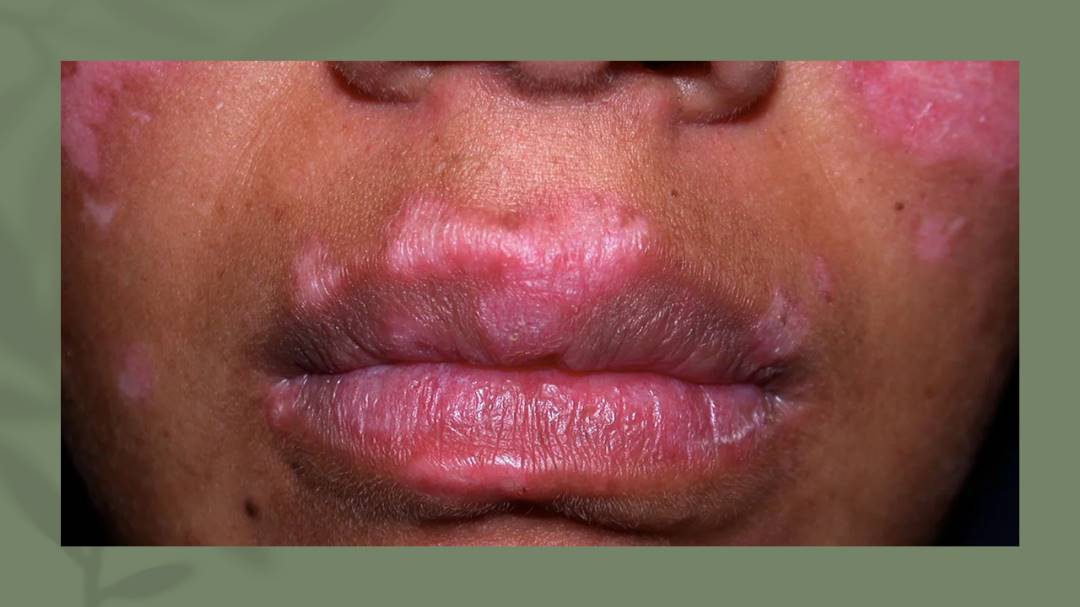
Systemic Lupus Erythematosus (SLE) is a chronic autoimmune disease that can affect various organ systems in the body. It is characterized by the production of autoantibodies against self-antigens, leading to chronic inflammation and tissue damage including the joints, skin, kidneys, blood cells, brain, heart, and lungs. SLE is a heterogeneous disease with a wide range of clinical manifestations, making it difficult to diagnose and manage.
PATHOPHYSIOLOGY
The pathophysiology of SLE involves a complex interplay between genetic, environmental, hormonal, and immunologic factors. Multiple genetic loci have been associated with SLE, including genes involved in immune system function and regulation. Environmental factors such as infections, medications, and ultraviolet light exposure have also been implicated in the development of SLE.
In SLE, immune dysregulation leads to the production of autoantibodies against nuclear components such as DNA, RNA, and histones. These autoantibodies form immune complexes that deposit in various tissues, leading to chronic inflammation and tissue damage. Additionally, immune dysregulation can lead to aberrant T-cell activation, cytokine production, and complement activation, further contributing to the pathogenesis of SLE.
CAUSES
The exact causes of SLE are not fully understood, but a combination of genetic, environmental, hormonal, and immunologic factors are thought to contribute to its development. Women are more commonly affected than men, and the disease often presents during the childbearing years. Genetic factors are estimated to account for up to 66% of the risk for developing SLE. Environmental factors such as infections, medications, and ultraviolet light exposure have also been implicated in the development of SLE.
CLINICAL MANIFESTATIONS
The clinical manifestations of SLE are diverse and can affect multiple organ systems in the body. Common symptoms include fatigue, fever, joint pain and swelling, skin rashes, and photosensitivity. SLE can also cause more serious complications such as lupus nephritis, which is a major cause of morbidity and mortality in patients with SLE.
ASSESSMENT AND DIAGNOSTIC FINDINGS
The diagnosis of SLE is based on a combination of clinical and laboratory findings. The American College of Rheumatology has developed diagnostic criteria for SLE, which require the presence of at least four of the following: malar rash, discoid rash, photosensitivity, oral ulcers, arthritis, serositis, renal disorder, neurologic disorder, hematologic disorder, immunologic disorder, and antinuclear antibody positivity. Laboratory tests that may be helpful in diagnosing SLE include antinuclear antibody (ANA) testing, anti-double-stranded DNA (anti-dsDNA) antibody testing, and complement-level testing.
MEDICAL MANAGEMENT
The management of SLE involves a multidisciplinary approach, including rheumatologists, nephrologists, dermatologists, and other specialists as needed. Treatment goals include controlling disease activity, preventing flares, and minimizing organ damage. Treatment options may include nonsteroidal anti-inflammatory drugs (NSAIDs), antimalarial drugs, glucocorticoids, immunosuppressants, and biological agents.
PHARMACOLOGIC MANAGEMENT
Pharmacologic management of SLE involves a range of medications targeting different aspects of the disease’s pathophysiology. NSAIDs can be used to manage mild to moderate pain and inflammation, while antimalarial drugs such as hydroxychloroquine can be used to prevent disease flares and reduce disease activity. Glucocorticoids such as prednisone can be used to manage severe disease activity and organ involvement, but their long-term use is associated with significant adverse effects. Immunosuppressive agents such as azathioprine, mycophenolate mofetil, and cyclophosphamide can be used to control disease activity and prevent organ damage. Biologic agents such as belimumab, a monoclonal antibody targeting B-cell activating factor, have also been approved for the treatment of SLE.
Systemic lupus erythematosus diagnosis and management, https://academic.oup.com/rheumatology/article/56/suppl_1/i3/2738661.
C. (2023, January 31). Systemic lupuserythematosus (SLE). Centers for Disease Control and Prevention. https://www.cdc.gov/lupus/facts/detailed.html
Systemic lupus erythematosus pathophysiology – wikidoc. (n.d.). Systemic Lupus Erythematosus Pathophysiology – Wikidoc. https://www.wikidoc.org/index.php/Systemic_lupus_erythematosus_pathophysiology
Discover more from Nursing In Ghana
Subscribe to get the latest posts sent to your email.
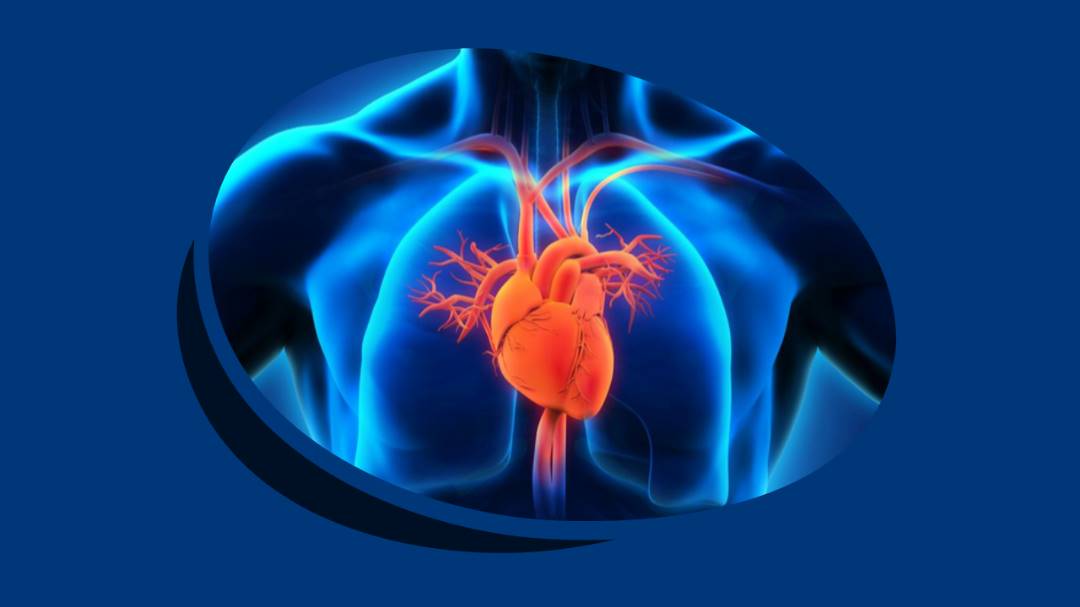
Shock is a threatening life condition of circulatory failure which causes inadequate oxygen delivery to meet cellular metabolic needs and oxygen consumption requirements, producing cellular and tissue hypoxia. The effects of shock are initially reversible, but rapidly become irreversible, resulting in multiorgan failure (MOF) and death. When a patient presents with undifferentiated shock, it is important that the clinician immediately initiate therapy while rapidly identifying the etiology so that definitive therapy can be administered to reverse shock and prevent MOF and death.
There are four main types of shock:
1. Anaphylactic shock
2. Cardiogenic shock
3. Hypovolemic shock
4. Septic shock
Anaphylactic shock is a severe and sudden allergic reaction that can occur after exposure to an allergen. Symptoms include swelling of the face and throat, difficulty breathing, and a drop in blood pressure. Anaphylactic shock can be life-threatening and requires immediate medical treatment.
Cardiogenic shock occurs when the heart is unable to pump enough blood to meet the body’s needs. This can be due to a heart attack, heart failure, or other heart conditions. Symptoms include shortness of breath, chest pain, and a weak and irregular heartbeat. Cardiogenic shock is a medical emergency and requires treatment in a hospital.
Hypovolemic shock occurs when there is a decrease in the amount of blood or fluid in the body. This can be due to blood loss from an injury, severe dehydration, or excessive vomiting or diarrhea. Symptoms include lightheadedness, fainting, and a decrease in urine output. Hypovolemic shock can be life-threatening and requires immediate medical treatment.
Septic shock. This type of shock is caused by an infection or sepsis. Sepsis is a potentially life-threatening condition that occurs when an infection spreads throughout the body. Symptoms include low blood pressure, rapid heart rate, chills, and fever. Septic shock is a medical emergency and requires treatment in a hospital.
Discover more from Nursing In Ghana
Subscribe to get the latest posts sent to your email.

FUNERAL HELD FOR GHANAIAN MIDWIFE, GRACE BENYIN WHO DIED IN IRELAND

GHANA, GRENADA SIGN NURSE RECRUITMENT DEAL – APPLICATIONS OPEN OCT 24-28, 2025

Scotland NHS Recruiting International Nurses

Ministry of Health Postpones Media Engagement on Unpaid Salaries

NMC Issues Strong Warning to Nurses Against Unprofessional Conduct on Social Media

Government slashes 50% off Nursing Training Fees-Press Release

GRNMA Youth Committee launches 2025 International Youth Day celebration

President Mahama promises UHAS expansion to train more health workers
LIST OF ACCREDITED GOVERNMENT NURSING AND MIDWIFERY TRAINING SCHOOLS IN GHANA

NURSING ADMISSION FORMS ON SALE FOR THE 2023/2024 ACADEMIC YEAR

THE NURSES PLEDGE AND THE MIDWIVE’S PRAYER

NURSING TRAINING ADMISSION INTERVIEW QUESTIONS

GHS INTRODUCES TWO NEW BELT COLOURS FOR TWO NEW LEVELS IN THE NURSING AND MIDWIFERY SERVICE

MOH SUSPENDS THE 2021/2022 ACADEMIC CALENDAR FOR NURSING AND MIDWIFERY SCHOOLS

COMMON TYPES OF INTRAVENOUS (IV) FLUIDS AND THEIR USES

LIST OF PRIVATE NURSING AND MIDWIFERY TRAINING SCHOOLS (ACCREDITED)
-
 Nursing News5 years ago
LIST OF ACCREDITED GOVERNMENT NURSING AND MIDWIFERY TRAINING SCHOOLS IN GHANA
-
 Nursing News3 years ago
NURSING ADMISSION FORMS ON SALE FOR THE 2023/2024 ACADEMIC YEAR
-
 Nursing Procedures and Skills5 years ago
THE NURSES PLEDGE AND THE MIDWIVE’S PRAYER
-
 Nursing Procedures and Skills5 years ago
NURSING TRAINING ADMISSION INTERVIEW QUESTIONS
-
 Nursing News4 years ago
GHS INTRODUCES TWO NEW BELT COLOURS FOR TWO NEW LEVELS IN THE NURSING AND MIDWIFERY SERVICE
-
 Nursing News5 years ago
MOH SUSPENDS THE 2021/2022 ACADEMIC CALENDAR FOR NURSING AND MIDWIFERY SCHOOLS
-
 Notes5 years ago
COMMON TYPES OF INTRAVENOUS (IV) FLUIDS AND THEIR USES
-
 Nursing News5 years ago
LIST OF PRIVATE NURSING AND MIDWIFERY TRAINING SCHOOLS (ACCREDITED)