
Notes
NURSING AND THE LAW. NEGLIGENCE AND MALPRACTICE IN NURSING


Negligence and Malpractice: negligence involves a person’s failure to use a degree of care in a way that a reasonable person would use under the same or similar circumstances. Malpractice, however, is a type of negligence called professional negligence where licensed professionals fail to provide care that meet the required standard of care. In these situations, the nurse and the hospital can be sued for malpractice.
Common situations that may result in malpractice include:
- Failing to properly monitor a patient and missing a change in their vital signs
- Failing to call a physician for assistance, when needed
- Failing to update a patient’s chart with any changes in his or her progress
- Failing to accurately record a patient’s condition in their chart
- Failing to ensure that all medical equipment is working properly
- Failure to remove a surgical sponge during surgery causing caused ongoing abdominal symptoms for many years up until removal.
- A nurse negligently pulled out a urinary catheter on a male patient without first deflating the balloon which anchored the catheter inside the bladder. This resulted in incredible pain and damage to the internal structures.
- Medication errors that result in injury to clients
- Burns to clients caused by equipment, bathing or spills of hot liquids and foods
- Falls resulting in injury to clients
- Intravenous therapy errors result in infiltration or phlebitis
- Failure to use aseptic technique where required
- Failure to give a report or giving an incomplete report to an oncoming shift
PROOF OF MALPRACTICE
In situations where a nurse is sued for malpractice, the client must prove the following:
- The nurse (defendant) owed a duty to the client (plaintiff).
- The nurse did not carry out that duty or breached the duty.
- The client was injured.
- The client’s injury was caused by the nurse’s failure to carry out his or her duty.
HOW TO AVOID BEING SUED FOR MALPRACTICE
The best way for nurses to avoid being liable for malpractice is to follow standards of care, give competent health care, communicate with other health care providers, document assessments, interventions, and evaluation fully, and develop empathetic rapport with the client.
Furthermore, remember, as a nurse your best defense against malpractice lawsuits is accurate documentation. Nurses must ensure that patient documentation is thorough.
As a nurse, you must also know the current nursing literature in your area of practice, follow the policies and procedures of the institution in which you work.
Nurses should be sensitive to common sources of client injury, such as falls and medication errors. The nurse must be able to communicate with the client, explain the tests and treatment to be performed, and listen to the client’s concerns about the treatment. Any significant changes in the client’s condition must be reported to the physician and documented.
NURSING MALPRACTICE CASE STUDY
In the following unpublished case, a communication breakdown is outlined wherein a nurse’s failure to report to the physician a major change in her patient’s condition is said to have caused the patient’s death. A wrongful death lawsuit soon follows.
Details of the Case
The 62-year-old female patient had a history of abdominal surgeries, including gastric bypass surgery. The surgeries resulted in “excessive” scar tissue.
She went to the ED complaining of abdominal pain and vomiting that began the day before. The patient’s lungs were clear, but due to her symptoms, she was admitted for IV fluids to rehydrate her. Treatment for pain and nausea also was administered.
The patient was in the hospital for a few days, and a doctor diagnosed her with constipation. She was placed on “bowel rest” by limiting the amount of food she could eat. No surgery was indicated, according to the physician.
Two days after her admission, nursing notes indicated that the patient was “spitting up into emesis bag” and had “dry heaves.” She was examined again by another physician who determined she was still constipated but was breathing “normally.” The second physician was concerned, however, that the patient should be transferred and seen by the surgeon who did the gastric bypass surgery. She was to be transferred the next morning.
That night, the patient vomited numerous times during the night shift. The RN caring for her documented in the patient’s medical record that the patient expressed a feeling like a “knot in [her] abdom[e]n” but her pain was decreased from earlier in the day.
The patient also was nauseous, had a small emesis, and a bowel movement.
The nurse did not observe any signs of aspiration, documenting that the patient’s lungs were clear. Later that night, the RN documented that the patient had another emesis, “small, tan-colored…with a faint bowel odor throughout the night.” The RN did not contact a doctor about these events.
When the patient was transferred in the morning, the RN’s documentation indicated the patient was stable and her condition “did not seem to have deteriorated” since she began her care the night before.
The patient was transferred and arrived at the second hospital “looking comfortable, not in distress” according to her physician’s admitting note. However, the patient’s condition soon changed.
The white-blood-cell count was low, a CAT scan showed a bowel obstruction and evidence of pneumonia in sections of her lungs, despite no symptoms of pneumonia. Antibiotics to treat the pneumonia were immediately administered, but the patient’s condition continued to worsen. She died the following day. The autopsy listed the patient’s death as “pneumonia as a result of aspiration.”
Son Files Wrongful Death Lawsuit
The patient’s son filed his case against the hospital and the physicians who cared for his mother. Before trial, several of the physicians were dismissed from the case by agreement of the parties. The case against the hospital and the surgeon who admitted her to the second hospital went before a jury.
The jury returned a verdict for the son, finding that the professional negligence of the hospital nurses caused the deceased patient’s death, and awarded him $500,000.
However, the trial court later granted judgment as a matter of law (JMOL) for the hospital and granted the hospital’s motion for a new trial.
The son filed an appeal, disputing both of the trial court’s decisions.
The Appellate Court Holding
The appeals court held that the trial court was in error by granting the JMOL for the hospital. The court stated that the expert opinion testimony during trial was sufficient to support the jury’s verdict; that is, that the RN’s failure to notify a physician of the emesis tan in color and its odor “substantially contributed” to the patient’s death.
It characterized the emesis as a “significant change…which triggered the nurse’s legal duty to contact the physician.”
The trial court also erred in granting the hospital’s motion for a new trial, holding that the hospital’s claim of no evidence being presented about the professional negligence of the nursing staff in general, was not true.
The appellate court discussed at length the evidence presented concerning not only the RN’s care, but also the general nursing care given to the patient at the hospital. Since the hospital did not object then, it was not allowable to do so at the appellate level.
The court reversed the grant of the JMOL for the hospital and the grant of a new trial. It remanded the case with instructions to reinstate the jury verdict for the son.
What This Wrongful Death Case Means for You
It is difficult to understand why the RN caring for this patient did not think that the change in the patient’s condition — the emesis’ color and its odor — would not be a reason to contact the physician.
The RN’s omission, however, is perhaps a vivid example of not being mindful when one needs to be. It is important that you always be mindful when providing patient care.
As a nurse employee, you always carry the burden on your shoulders of your own potential legal liability, and also that of your employer. The RN was not a named defendant in the suit. However, her failure to adhere to the standard of care with this patient resulted in the hospital’s vicarious (indirect) liability.
Although not a named defendant in this wrongful death suit, the RN most likely faced a professional disciplinary action by the state board of nursing if she was reported to the board. Such a reporting could be initiated by the deceased patient’s son, the hospital or, if mandated by state law, the court itself. Source: nurse.com
Discover more from Nursing In Ghana
Subscribe to get the latest posts sent to your email.







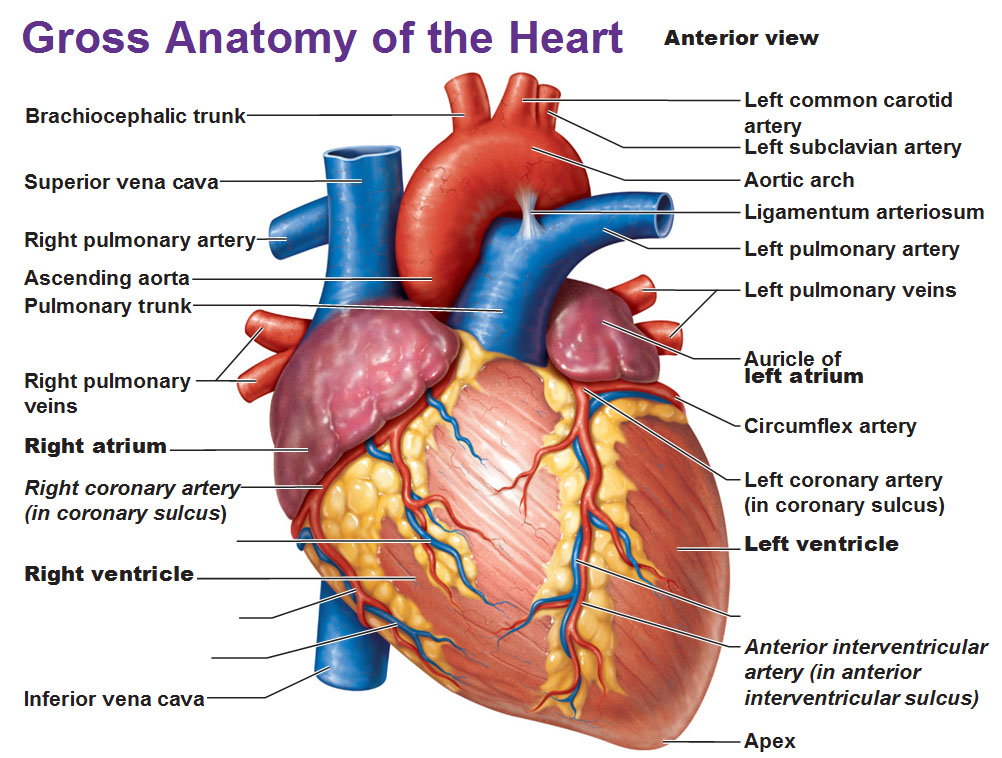
Hypotension, commonly referred to as “low blood pressure,” is a medical condition in which the blood pressure in the arteries is lower than normal (when the blood pressure reading is lower than 90/60mmHg). There are various types of hypotension, each with different causes, symptoms, and treatments. As a nurse, it is important to be aware of the different types of hypotension and their management in order to provide safe and effective care to your patients.
Orthostatic hypotension
Orthostatic hypotension is a type of hypotension that occurs when a person changes position from lying down or sitting to standing up. This can cause a sudden drop in blood pressure, leading to symptoms such as dizziness, lightheadedness, and fainting. Orthostatic hypotension is common in older adults, especially those with underlying medical conditions such as Parkinson’s disease, diabetes, or autonomic neuropathy.
The management of orthostatic hypotension involves lifestyle modifications, such as avoiding sudden changes in position, staying hydrated, and wearing compression stockings. Medications such as fludrocortisone, midodrine, and droxidopa may also be prescribed to help raise blood pressure.
Neurally mediated hypotension.
Neurally mediated hypotension also known as the fainting reflex, neurocardiogenic syncope, vasodepressor syncope, the vaso-vagal reflex, and autonomic dysfunction is a type of hypotension that occurs in response to certain triggers, such as standing for a long time or exposure to heat. It is caused by a malfunction of the autonomic nervous system, which regulates blood pressure and heart rate. Neurally mediated hypotension can cause symptoms such as dizziness, nausea, and fainting. Other symptoms may include confusion, muscle aches, headaches, and chronic fatigue.
The treatment of neurally mediated hypotension involves avoiding triggers and increasing fluid and salt intake.
Severe hypotension
Severe hypotension is a medical emergency that requires immediate treatment. It is characterized by a sudden and severe drop in blood pressure, which can lead to organ damage and even death if not promptly addressed. Severe hypotension can be caused by various conditions, such as sepsis, anaphylaxis, or a heart attack.
The management of severe hypotension involves identifying and treating the underlying cause. This may involve administering intravenous fluids, medications such as vasopressors or inotropes, and oxygen therapy. In severe cases, mechanical ventilation or extracorporeal membrane oxygenation (ECMO) may be necessary.
Postprandial hypotension
It is common in older adults and those with underlying medical conditions such as diabetes, Parkinson’s disease, or autonomic neuropathy. Postprandial hypotension is a type of hypotension that occurs after eating a meal. After eating, the heart rate ramps up to send blood flowing to the digestive system, but with this type of low blood pressure, the mechanism fails, resulting in dizziness, lightheadedness, and fainting.
The management of postprandial hypotension involves eating smaller, more frequent meals and avoiding large meals high in carbohydrates or fats. Medications such as acarbose, midodrine, and caffeine may also be prescribed.
Discover more from Nursing In Ghana
Subscribe to get the latest posts sent to your email.
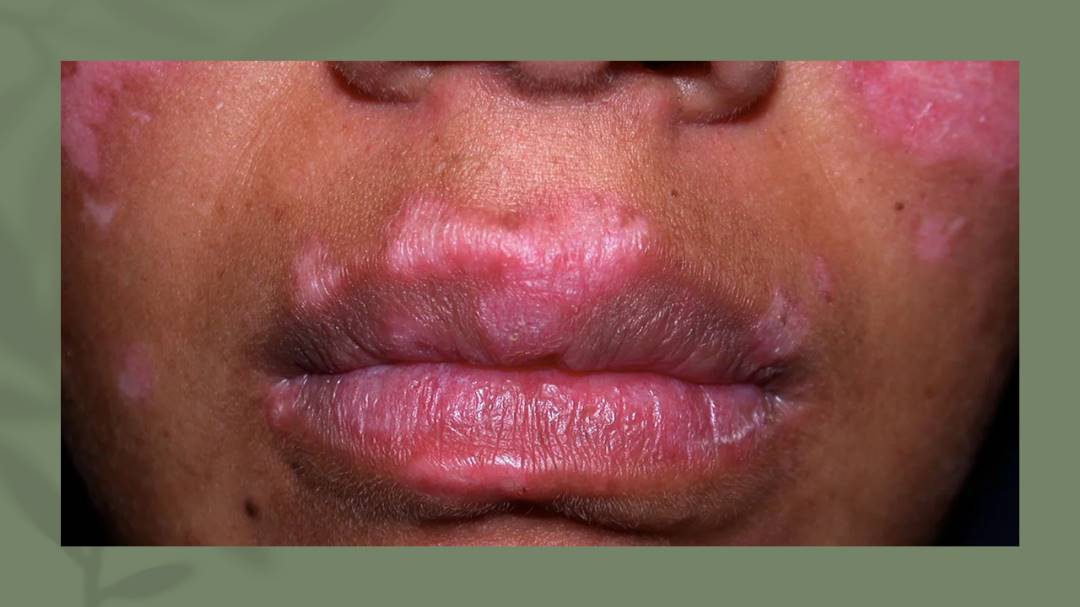
Systemic Lupus Erythematosus (SLE) is a chronic autoimmune disease that can affect various organ systems in the body. It is characterized by the production of autoantibodies against self-antigens, leading to chronic inflammation and tissue damage including the joints, skin, kidneys, blood cells, brain, heart, and lungs. SLE is a heterogeneous disease with a wide range of clinical manifestations, making it difficult to diagnose and manage.
PATHOPHYSIOLOGY
The pathophysiology of SLE involves a complex interplay between genetic, environmental, hormonal, and immunologic factors. Multiple genetic loci have been associated with SLE, including genes involved in immune system function and regulation. Environmental factors such as infections, medications, and ultraviolet light exposure have also been implicated in the development of SLE.
In SLE, immune dysregulation leads to the production of autoantibodies against nuclear components such as DNA, RNA, and histones. These autoantibodies form immune complexes that deposit in various tissues, leading to chronic inflammation and tissue damage. Additionally, immune dysregulation can lead to aberrant T-cell activation, cytokine production, and complement activation, further contributing to the pathogenesis of SLE.
CAUSES
The exact causes of SLE are not fully understood, but a combination of genetic, environmental, hormonal, and immunologic factors are thought to contribute to its development. Women are more commonly affected than men, and the disease often presents during the childbearing years. Genetic factors are estimated to account for up to 66% of the risk for developing SLE. Environmental factors such as infections, medications, and ultraviolet light exposure have also been implicated in the development of SLE.
CLINICAL MANIFESTATIONS
The clinical manifestations of SLE are diverse and can affect multiple organ systems in the body. Common symptoms include fatigue, fever, joint pain and swelling, skin rashes, and photosensitivity. SLE can also cause more serious complications such as lupus nephritis, which is a major cause of morbidity and mortality in patients with SLE.
ASSESSMENT AND DIAGNOSTIC FINDINGS
The diagnosis of SLE is based on a combination of clinical and laboratory findings. The American College of Rheumatology has developed diagnostic criteria for SLE, which require the presence of at least four of the following: malar rash, discoid rash, photosensitivity, oral ulcers, arthritis, serositis, renal disorder, neurologic disorder, hematologic disorder, immunologic disorder, and antinuclear antibody positivity. Laboratory tests that may be helpful in diagnosing SLE include antinuclear antibody (ANA) testing, anti-double-stranded DNA (anti-dsDNA) antibody testing, and complement-level testing.
MEDICAL MANAGEMENT
The management of SLE involves a multidisciplinary approach, including rheumatologists, nephrologists, dermatologists, and other specialists as needed. Treatment goals include controlling disease activity, preventing flares, and minimizing organ damage. Treatment options may include nonsteroidal anti-inflammatory drugs (NSAIDs), antimalarial drugs, glucocorticoids, immunosuppressants, and biological agents.
PHARMACOLOGIC MANAGEMENT
Pharmacologic management of SLE involves a range of medications targeting different aspects of the disease’s pathophysiology. NSAIDs can be used to manage mild to moderate pain and inflammation, while antimalarial drugs such as hydroxychloroquine can be used to prevent disease flares and reduce disease activity. Glucocorticoids such as prednisone can be used to manage severe disease activity and organ involvement, but their long-term use is associated with significant adverse effects. Immunosuppressive agents such as azathioprine, mycophenolate mofetil, and cyclophosphamide can be used to control disease activity and prevent organ damage. Biologic agents such as belimumab, a monoclonal antibody targeting B-cell activating factor, have also been approved for the treatment of SLE.
Systemic lupus erythematosus diagnosis and management, https://academic.oup.com/rheumatology/article/56/suppl_1/i3/2738661.
C. (2023, January 31). Systemic lupuserythematosus (SLE). Centers for Disease Control and Prevention. https://www.cdc.gov/lupus/facts/detailed.html
Systemic lupus erythematosus pathophysiology – wikidoc. (n.d.). Systemic Lupus Erythematosus Pathophysiology – Wikidoc. https://www.wikidoc.org/index.php/Systemic_lupus_erythematosus_pathophysiology
Discover more from Nursing In Ghana
Subscribe to get the latest posts sent to your email.
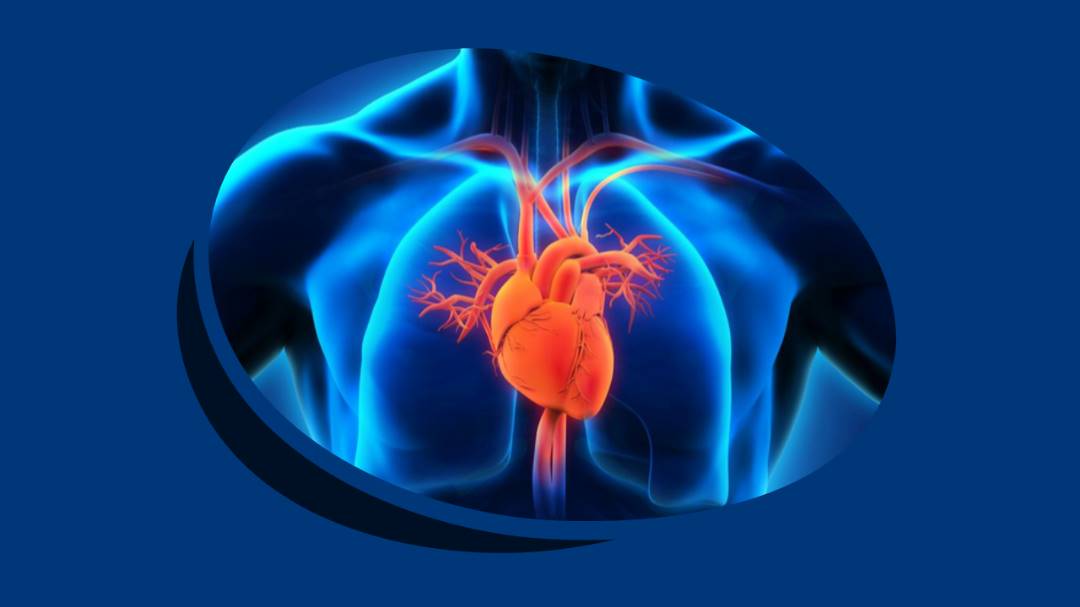
Shock is a threatening life condition of circulatory failure which causes inadequate oxygen delivery to meet cellular metabolic needs and oxygen consumption requirements, producing cellular and tissue hypoxia. The effects of shock are initially reversible, but rapidly become irreversible, resulting in multiorgan failure (MOF) and death. When a patient presents with undifferentiated shock, it is important that the clinician immediately initiate therapy while rapidly identifying the etiology so that definitive therapy can be administered to reverse shock and prevent MOF and death.
There are four main types of shock:
1. Anaphylactic shock
2. Cardiogenic shock
3. Hypovolemic shock
4. Septic shock
Anaphylactic shock is a severe and sudden allergic reaction that can occur after exposure to an allergen. Symptoms include swelling of the face and throat, difficulty breathing, and a drop in blood pressure. Anaphylactic shock can be life-threatening and requires immediate medical treatment.
Cardiogenic shock occurs when the heart is unable to pump enough blood to meet the body’s needs. This can be due to a heart attack, heart failure, or other heart conditions. Symptoms include shortness of breath, chest pain, and a weak and irregular heartbeat. Cardiogenic shock is a medical emergency and requires treatment in a hospital.
Hypovolemic shock occurs when there is a decrease in the amount of blood or fluid in the body. This can be due to blood loss from an injury, severe dehydration, or excessive vomiting or diarrhea. Symptoms include lightheadedness, fainting, and a decrease in urine output. Hypovolemic shock can be life-threatening and requires immediate medical treatment.
Septic shock. This type of shock is caused by an infection or sepsis. Sepsis is a potentially life-threatening condition that occurs when an infection spreads throughout the body. Symptoms include low blood pressure, rapid heart rate, chills, and fever. Septic shock is a medical emergency and requires treatment in a hospital.
Discover more from Nursing In Ghana
Subscribe to get the latest posts sent to your email.

FUNERAL HELD FOR GHANAIAN MIDWIFE, GRACE BENYIN WHO DIED IN IRELAND

GHANA, GRENADA SIGN NURSE RECRUITMENT DEAL – APPLICATIONS OPEN OCT 24-28, 2025

Scotland NHS Recruiting International Nurses

Ministry of Health Postpones Media Engagement on Unpaid Salaries

NMC Issues Strong Warning to Nurses Against Unprofessional Conduct on Social Media

Government slashes 50% off Nursing Training Fees-Press Release

GRNMA Youth Committee launches 2025 International Youth Day celebration

President Mahama promises UHAS expansion to train more health workers
LIST OF ACCREDITED GOVERNMENT NURSING AND MIDWIFERY TRAINING SCHOOLS IN GHANA

NURSING ADMISSION FORMS ON SALE FOR THE 2023/2024 ACADEMIC YEAR

THE NURSES PLEDGE AND THE MIDWIVE’S PRAYER

NURSING TRAINING ADMISSION INTERVIEW QUESTIONS

GHS INTRODUCES TWO NEW BELT COLOURS FOR TWO NEW LEVELS IN THE NURSING AND MIDWIFERY SERVICE

MOH SUSPENDS THE 2021/2022 ACADEMIC CALENDAR FOR NURSING AND MIDWIFERY SCHOOLS

COMMON TYPES OF INTRAVENOUS (IV) FLUIDS AND THEIR USES

LIST OF PRIVATE NURSING AND MIDWIFERY TRAINING SCHOOLS (ACCREDITED)
-
 Nursing News5 years ago
LIST OF ACCREDITED GOVERNMENT NURSING AND MIDWIFERY TRAINING SCHOOLS IN GHANA
-
 Nursing News3 years ago
NURSING ADMISSION FORMS ON SALE FOR THE 2023/2024 ACADEMIC YEAR
-
 Nursing Procedures and Skills5 years ago
THE NURSES PLEDGE AND THE MIDWIVE’S PRAYER
-
 Nursing Procedures and Skills5 years ago
NURSING TRAINING ADMISSION INTERVIEW QUESTIONS
-
 Nursing News4 years ago
GHS INTRODUCES TWO NEW BELT COLOURS FOR TWO NEW LEVELS IN THE NURSING AND MIDWIFERY SERVICE
-
 Nursing News5 years ago
MOH SUSPENDS THE 2021/2022 ACADEMIC CALENDAR FOR NURSING AND MIDWIFERY SCHOOLS
-
 Notes5 years ago
COMMON TYPES OF INTRAVENOUS (IV) FLUIDS AND THEIR USES
-
 Nursing News5 years ago
LIST OF PRIVATE NURSING AND MIDWIFERY TRAINING SCHOOLS (ACCREDITED)