
Inspirational
Nursing: A Job Not Just for Anybody

Is nursing a job or a profession? Can someone who just wanted to help and provide healthcare to others take up the course and eventually graduate and practice?
Nursing is an honourable and noble calling. This career offers a wide variety of roles and a broad scope of responsibility. Nurses work hard to promote health, prevent diseases and help patients cope with illness. They are also health educators for patients, families and their communities. They assists doctors and physicians in performing treatments and examinations, administering medications and provision of direct patient care.
But nursing is not just a job for anybody. It is a profession. Being a nurse requires a special skill to be able to perform the duty. It takes a special kind of person to be that nurse. Someone who is compassionate, caring and prioritizes other’s interest. Since they will spend more time with patients than doctors, they should have the skill to interact with patients, putting them at ease and assisting them in their recovery.
“Nurses are often specially trained and need to keep up with new developments in their field. They work in difficult situations, and have to remain professional in the face of challenges”.This statement is according to Professor K. Satkunananthnam, Director of Medical Services in the Ministry of Health Minister in Singapore.
Nurses are often taken for granted despite their efforts. But healthcare systems around would not function without nurses as hospitals, clinics and hospices rely on them. As they say, physicians cure, nurses care.
Discover more from Nursing In Ghana
Subscribe to get the latest posts sent to your email.









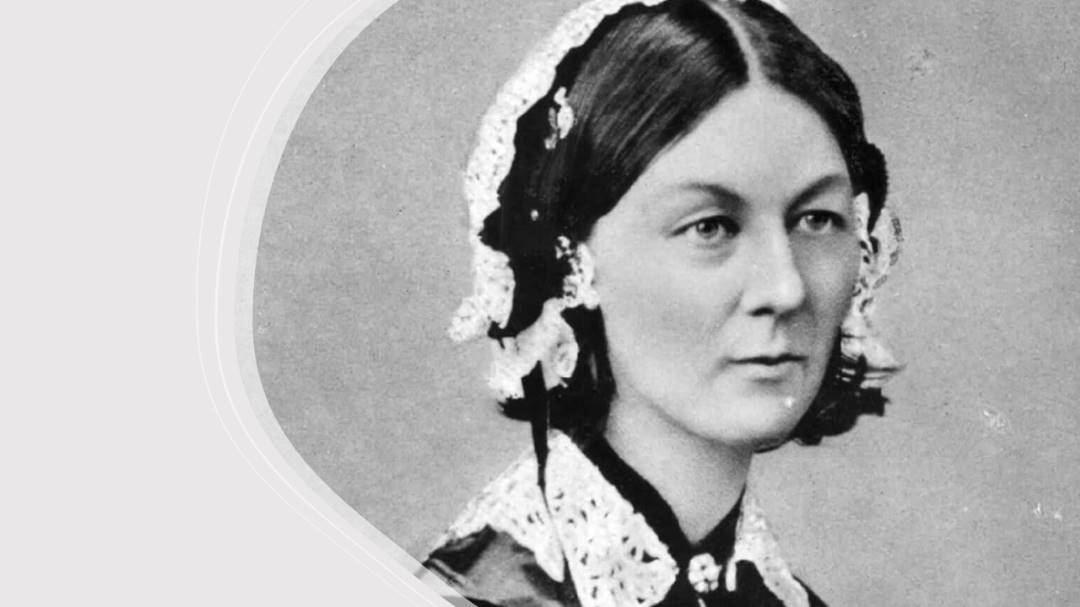
Florence Nightingale was a British nurse, writer, and social reformer who is best known for her work during the Crimean War, where she tended to wounded soldiers and improved the unsanitary conditions of military hospitals. She is considered to be the founder of modern nursing and was an influential figure in the development of healthcare systems.
Nightingale was born on May 12, 1820, in Florence, Italy, to a wealthy British family. As a child, she was well-educated and developed an interest in nursing and social reform at an early age. Despite the objections of her family, Nightingale decided to pursue a career in nursing and began training at the Institution of Protestant Deaconesses in Kaiserswerth, Germany, in 1844.
In 1853, Nightingale was appointed as the supervisor of the Female Nursing Society at the Hospital for Invalid Gentlewomen in London. In this role, she was responsible for overseeing the care of female patients and training nurses.
In 1854, the Crimean War broke out and Nightingale was asked to lead a team of nurses to the Ottoman Empire to tend to wounded soldiers. Upon arriving at the military hospital in Scutari, Nightingale was shocked by the unsanitary conditions and lack of basic medical supplies. She immediately set to work improving the hospital, introducing cleanliness standards, and training local women to assist with nursing duties.
Nightingale’s efforts during the Crimean War earned her the nickname “The Lady with the Lamp” and she became a celebrated figure in Britain and abroad. After the war, she wrote “Notes on Nursing,” a book that outlined the principles of modern nursing and became a seminal text in the field.
In addition to her work in nursing, Nightingale was also an influential figure in the development of healthcare systems. She advocated for the establishment of a national system of healthcare and worked to improve the education and training of nurses. She also worked to improve the working conditions of nurses and to make nursing a respected profession.
Nightingale’s legacy lives on today through the many institutions and organizations that bear her name, including the Florence Nightingale School of Nursing and Midwifery at King’s College London and the Florence Nightingale Foundation, a charity that supports the development of nursing and healthcare.
Sources:
- “Florence Nightingale.” Encyclopedia Britannica. https://www.britannica.com/biography/Florence-Nightingale
- “Florence Nightingale.” Biography.com. https://www.biography.com/personality/florence-nightingale
- “Florence Nightingale.” National Trust. https://www.nationaltrust.org.uk/greenway/features/florence-nightingale
Discover more from Nursing In Ghana
Subscribe to get the latest posts sent to your email.
The very first requirement in a hospital is that it should do the sick no harm.
So never lose an opportunity of urging a practical beginning, however small, for it is wonderful how often in such matters the mustard-seed germinates and roots itself.
How very little can be done under the spirit of fear.
The world is put back by the death of every one who has to sacrifice the development of his or her peculiar gifts to conventionality.
I think one’s feelings waste themselves in words; they ought all to be distilled into actions which bring results.
I am of certain convinced that the greatest heroes are those who do their duty in the daily grind of domestic affairs whilst the world whirls as a maddening dreidel.
Rather, ten times, die in the surf, heralding the way to a new world, than stand idly on the shore.
You ask me why I do not write something…. I think one’s feelings waste themselves in words, they ought all to be distilled into actions and into actions which bring results.
If I could give you information of my life it would be to show how a woman of very ordinary ability has been led by God in strange and unaccustomed paths to do in His service what He has done in her. And if I could tell you all, you would see how God has done all, and I nothing. I have worked hard, very hard, that is all; and I have never refused God anything.
Rather, ten times, die in the surf, heralding the way to a new world, than stand idly on the shore.
Live life when you have it. Life is a splendid gift-there is nothing small about it.
Let whoever is in charge keep this simple question in her head (not, how can I always do this right thing myself, but) how can I provide for this right thing to be always done?
To understand God’s thoughts we must study statistics, for these are the measure of his purpose.
It is often thought that medicine is the curative process. It is no such thing; medicine is the surgery of functions, as surgery proper is that of limbs and organs. Neither can do anything but remove obstructions; neither can cure; nature alone cures. Surgery removes the bullet out of the limb, which is an obstruction to cure, but nature heals the wound. So it is with medicine; the function of an organ becomes obstructed; medicine so far as we know, assists nature to remove the obstruction, but does nothing more. And what nursing has to do in either case, is to put the patient in the best condition for nature to act upon him. Submitted By Jude Arko
Discover more from Nursing In Ghana
Subscribe to get the latest posts sent to your email.

FUNERAL HELD FOR GHANAIAN MIDWIFE, GRACE BENYIN WHO DIED IN IRELAND

GHANA, GRENADA SIGN NURSE RECRUITMENT DEAL – APPLICATIONS OPEN OCT 24-28, 2025

Scotland NHS Recruiting International Nurses

Ministry of Health Postpones Media Engagement on Unpaid Salaries

NMC Issues Strong Warning to Nurses Against Unprofessional Conduct on Social Media
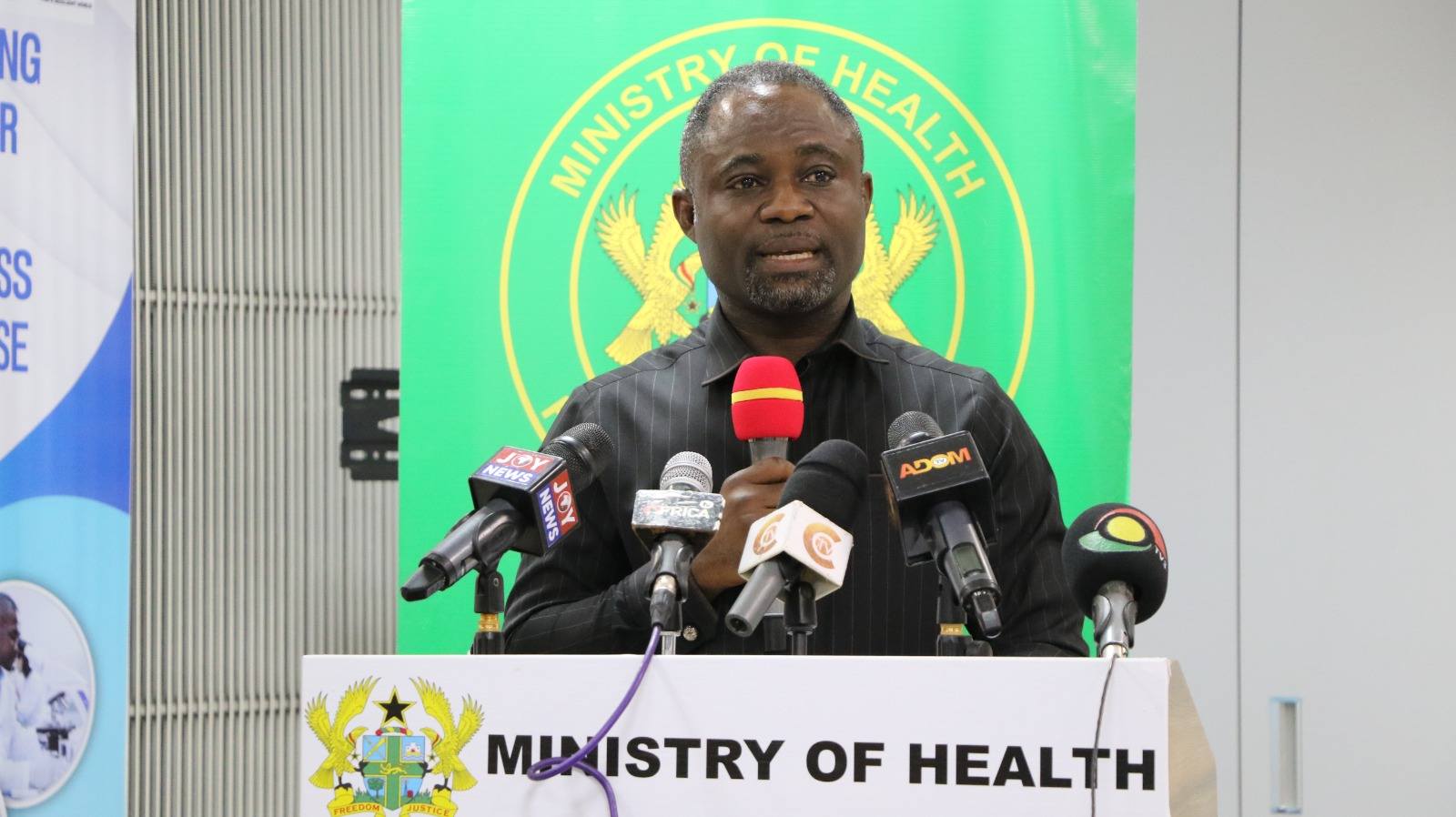
Government slashes 50% off Nursing Training Fees-Press Release

GRNMA Youth Committee launches 2025 International Youth Day celebration
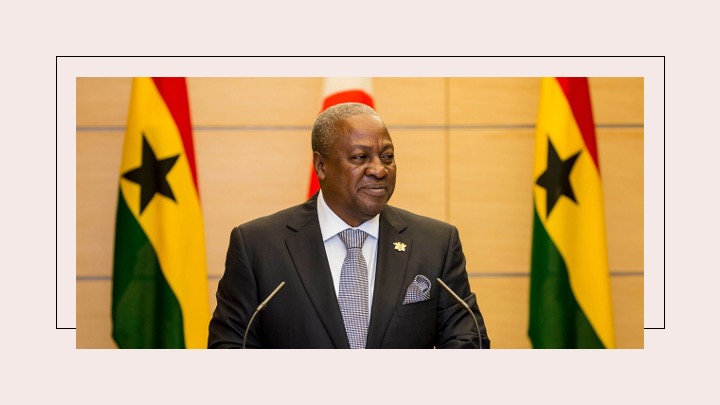
President Mahama promises UHAS expansion to train more health workers
LIST OF ACCREDITED GOVERNMENT NURSING AND MIDWIFERY TRAINING SCHOOLS IN GHANA

NURSING ADMISSION FORMS ON SALE FOR THE 2023/2024 ACADEMIC YEAR

THE NURSES PLEDGE AND THE MIDWIVE’S PRAYER

NURSING TRAINING ADMISSION INTERVIEW QUESTIONS

GHS INTRODUCES TWO NEW BELT COLOURS FOR TWO NEW LEVELS IN THE NURSING AND MIDWIFERY SERVICE

MOH SUSPENDS THE 2021/2022 ACADEMIC CALENDAR FOR NURSING AND MIDWIFERY SCHOOLS

COMMON TYPES OF INTRAVENOUS (IV) FLUIDS AND THEIR USES

LIST OF PRIVATE NURSING AND MIDWIFERY TRAINING SCHOOLS (ACCREDITED)
-
 Nursing News5 years ago
LIST OF ACCREDITED GOVERNMENT NURSING AND MIDWIFERY TRAINING SCHOOLS IN GHANA
-
 Nursing News3 years ago
NURSING ADMISSION FORMS ON SALE FOR THE 2023/2024 ACADEMIC YEAR
-
 Nursing Procedures and Skills5 years ago
THE NURSES PLEDGE AND THE MIDWIVE’S PRAYER
-
 Nursing Procedures and Skills5 years ago
NURSING TRAINING ADMISSION INTERVIEW QUESTIONS
-
 Nursing News4 years ago
GHS INTRODUCES TWO NEW BELT COLOURS FOR TWO NEW LEVELS IN THE NURSING AND MIDWIFERY SERVICE
-
 Nursing News5 years ago
MOH SUSPENDS THE 2021/2022 ACADEMIC CALENDAR FOR NURSING AND MIDWIFERY SCHOOLS
-
 Notes5 years ago
COMMON TYPES OF INTRAVENOUS (IV) FLUIDS AND THEIR USES
-
 Nursing News5 years ago
LIST OF PRIVATE NURSING AND MIDWIFERY TRAINING SCHOOLS (ACCREDITED)