
Lifestyle
SEE THE SICK AS HUMAN NOT SOME OBJECT THAT NEEDS FIXING


I have so many times seen and heard people argue lividly about the harsh treatment they encounter especially when they visit our various health facilities. Sometimes violence breaks out which is extreme and sometimes the nurses especially are berated and attacked in the process.
Often it is the nurse who the patient/client and relatives see most within the 24hours, hence, whenever something goes bad it’s the nurse because we are the pivot in health delivery. I am tempted to believe that the slightest mistake that occurs in our various hospitals, the only that comes out is, where was/is the nurse? Nurses have a role to play in ensuring that the patient/client receive healthcare. In fact, when you are admitted, it’s the nurse who will ensure that you are cared for from your personal hygiene to elimination and that is no joke a work.
Interestingly, some patients and relatives and even the general public are of the opinion that just because of the lack of jobs hence the frustrated ones venture into nursing for their survival, which to some extent can be true, and some extent false. Truthfully, at the end of the day, so long as you decide to be a nurse, you have no right to be hostile to the one seeking health! I do believe before some people choose a profession, there is a desire or some motivation to want that career. I don’t believe that nursing is a calling or passion only. If it is a passion only, there wouldn’t be the need and even strike if not paid or picket at the Ministry Of Health if posting is delayed. Yes, in every profession you shall definitely get those who are driven by passion and those because of whatever reason deem fit to them, not only in nursing. Nursing is both passion and profession. Truth be told, there are some people who, no matter what would pursue nursing, that is passion right there. There are others who see it as a means to an end too. Let us act as professionals with passion.
Professionalism and passion come with certain characteristics and that is being genuine but not blunt, kind, caring, empathetic, good listener, smart but not shoddy etc. I hear some nurses say “why do you have to insult me”, “you don’t respect “, “the patient/ relative did this and that so I reacted”. The list goes on and on. Yes, to every action there’s an equal and opposite reaction but do we as nurses always have to react to some undeserving behaviour from patients and their relatives? Are we fighting, why this behaviour? I understand the stressful nature of this profession, sometimes we are pushed and we react to the situation. But before we react to the situation, can we at least breathe, take a second look at that human in pain? Life has a way of turning all of us into something we never thought we are or can be. We so much want to be respected for the service we render which is not for free, but we cannot retaliate violence with violence and expect respect as a reward, sad. People set standards for others they themselves cannot live half of those standards. The people we give this care to do not expect us to react when they go off us, which I find that hard to comprehend but there’s a way out.
Interestingly, irrespective of being strangers at the health facilities, people do generally expect nurses to be doing something in clinical settings. In fact, People generally expect nurses to have a plan and also for that plan to be related to some of the problems that they are experiencing. Fortunately, we can choose which role we have to play as professionals, thus the ‘rescuer role’, not ‘persecutor role’. Rescuers see people as in need of rescuing. Nurses have a tendency to want to help people in distress and nurse them into recovery if possible. Sadly, people are not some broken machine that we can easily fix. We need to develop the skill of neutrality towards hostility and not have the expectations to fix our patients when they may not ‘mend’.
Even though we may speak a different languages, or may have different rules governing us, or possess different cultural values, everyone gives much the same answer. Everyone expects their beloved to be treated as a person: a unique, special, distinctive human being. No one I have met is comfortable with the idea of their loved one becoming a ‘patient’. Instead, we all want the health team whoever they are, from whatever discipline, to recognise and respect the individuality- and difference- of their relative. Despite our ethnic, racial, cultural and social differences, people are very much alike ‘under the skin’. We want to be respected as nurses, right? Let’s respect our patients see them as humans first and they shall give us our place.
We need to clarify what exactly our professional values are if we are ever to escape the lunatic bureaucracy that bedevils all our talk about patients and their need for one health care or another, when perhaps what the person needs is human helping. What we would want and expect for our loved one’s may be simple but apparently not all that easy to give.
Then the question I ask myself is, what is my value? My value represents what I consider most important in life, that is, respect for all races, gender, religion and tolerance. To work with a person who is experiencing some problem of human Living rather than a patient with some illness, disease or disorder, we need to be modest, as well as respectful. We need to recognise that we know nothing of any real significance about this person, and what worries them. Humility is a key item of caring. Don’t forget, being humble doesn’t mean you are stupid or stooge. Let us be assertive when we think we have been violated in our line of duty by following the health care policy in addressing issues of abuse, rather than retaliating.
Notwithstanding, the reality of human experience and behaviour is that our needs are often subjects to dramatic change and not static. Sometimes we are like this and other times we are like that. The changeable nature of our experience – of ourselves, of others, and the world, in general, determines that a person’s needs at any point in time are also subject to change. Although nurses are people, a key professional practice is to become aware of how differing personal, social and cultural characteristics might influence our professional decision making and our relations with the person who is the patient or client.
Nursing is patience. Nursing is caring. Nursing is, “I don’t have to know you to care for you to help you recover”. Remember, recovery is not in the absence of symptoms. Death is inevitable. I am happy death lives amongst us, because, even in our mist, the way we treat people, I wonder, if death was not with mankind, how we will treat people who no fault of theirs but are in dire need of rescuing. Can we act human and treat the people who come to us for rescuing as humans but not ‘diseases’ but humans? Life is short, beautiful but sometimes comes with pain. Tomorrow is a gift, life is a gift. Be honoured that humans come to you to help in nursing them when sickness knocks on their door. Nursing is a privilege to you, not your right. Let’s be kind. Let’s be humane and help restore some sanity in the hospital as nurses.
By:
Susan Agyenyiwaa Aidoo (Ms)
BSc. Community Mental Health Nurse, RMN(suaidoo@yahoo.com)
Discover more from Nursing In Ghana
Subscribe to get the latest posts sent to your email.

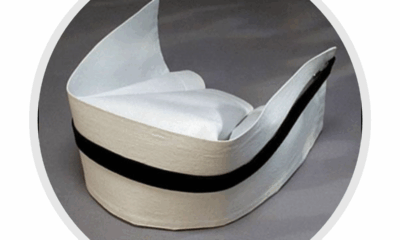










To some nurses, the night shifts are something they hate and that they in no way like seeing on the duty roster. The thought of leaving the comfort of your home makes one sad. But what are you able to do? That is the job we have chosen. As long as you remain a nurse night shifts are unavoidable.
To others, night shifts are like winning a lottery. Going for 4 days and getting 3 days off and sometimes seven days night duty and seven days off seems a good deal.
Sometimes you may get all the weekends off. Some nurses even go to the extent of requesting a month of night shift and a month off. But what is the risk?
A study conducted on a total of 115,535 women (nurses) shows about 9% of them developed heart diseases over the period of 24 years follow-up. Women who work at least three-night shifts in a month were found to be 27% more likely to develop heart disease than those who did not.
The study also indicated that women working night shifts for longer periods of time were at the higher end of the risk spectrum than those with less experience. Women working night shifts for ten or more years had a 13–27% greater risk for heart disease than those with no night shifts, while women with less than five years of night shift experience had up to 10% increased risk.
The good news was that the risk of increased heart disease reduces over time once nurses stop working night shifts.
Source: https://jamanetwork.com/journals/jama/fullarticle/2516715
Discover more from Nursing In Ghana
Subscribe to get the latest posts sent to your email.

There are a lot of things about nursing that your school, lecturers, and books might not have warned you about. Aside from difficult patients, there are also difficult nurses.
Whether it’s stress or just their personalities that make them difficult to deal with, here are a few recommendations you can use to respond better to the situation and their personalities.
#1: The Complainer
What you should do: Avoid taking things seriously.
Your co-worker’s behaviors and actions in the hospital are reflections of what goes on inside her and not of you. She may be acting like that because she’s experiencing some issues at home or she could be just as tired as you are.
If she snaps at you about a small problem, you can just acknowledge what she said. Acknowledgement doesn’t necessarily mean you agree, but it’s a good way of showing your co-worker that you understand her, her point of view and where she’s coming from.
If she starts complaining about her schedule or her patients, acknowledge her feelings and excuse yourself. As simple as that.
#2: Mr. Know-It-All
What you should do: Limit your words.
Talking back and persistently reasoning out can’t do the situation any good. As a matter of fact, the more you talk, the harder the situation becomes to resolve. Instead on focusing on words, you need to be more aware of your actions. Pick your battles to avoid spending unnecessary energy.
Choose your words appropriately when conversing with this coworker. Use direct and concise statements to deliver your point across. You should also set a time limit on how long you’ll be discussing the issue.
“Sometimes, not talking is better than talking. If you keep on supporting your opinion, it just puts the other person in defensive mode and the argument will just go on and on. Problems aren’t solved that way,” a veteran nurse explained.
#3: The Bully
What you should do: Establish boundaries.
Yelling and shouting should not be tolerated, particularly if you are in the presence of your patients. These actions limit the credibility and the authority of your hospital and those who work inside it.
If such an incident happens, simply remove yourself from the situation. Assess the capability of your co-worker to engage in a constructive discussion first before confronting her. Approaching her when she’s still enraged can only lead to more problems.
#4: The Gossip
What you should do: Lessen complaints and gossips.
Constant complaining and gossiping will only make your working environment more negative. Instead of digging a deeper hole, try to be more proactive in finding a solution to the problem.
It’s not necessary that you exert effort on changing the person, but it could help if you can give her the opportunity to express herself, without people talking behind her back. Bullies are often victims of bullying, too. If you’re going to make her feel like she needs to defend herself to everyone in the area, the more likely she’ll snap and spread gossip about everything and everyone.
#5: The Backstabber
What you should do: Exert more effort in knowing your co-worker.
Making your colleague feel isolated and neglected will only make matter worse. Instead of leaving him behind, you can invite him over to lunch with your other colleagues or to your next dinner party.
Creating a sense of belongingness can help lessen his need to backstab anyone. Once “the backstabber” feels that he’s an integral part of the team, the less time he’ll spend in destroying it.
“We usually set an annual date for team building activities. I believe these opportunities allow the nurses in my area to get to know each other well. Since we started this tradition, there were fewer reports of workplace misunderstandings,” a head nurse said.
How do you handle a difficult co-worker? Did some of these insights apply to your situation?
Source: nurseslabs.com
Discover more from Nursing In Ghana
Subscribe to get the latest posts sent to your email.

The Code of Conduct and Disciplinary Procedures for Ghana Health Service (GHS) was developed in 2003 to regulate the conduct of all managers and employees at the respective levels of the Service in their normal relations and dealings with patients, clients, and fellow employees, and the public. This was to address the pertinent issues relating to general administrative rules and regulations, professional codes of ethics, staff conduct and policy guidelines. In 2018, the code was revised to conform to international best practices, and changes in the law and policy.
According to GHS, offences shall be categorized as minor or major and shall be dealt with and managed under the various provisions of this code and shall attract corresponding degrees of punitive action.
Minor Offences
Minor offences shall include:
- Reporting late for work or leaving or closing earlier without permission.
- Absence from duty without reasonable cause/excuse
- Any attitude or act(s)of rudeness and insubordination to his/her superiors, colleagues or clients at the workplace.
- Inappropriate and unauthorized use of office, medical and other equipment being the property of the Service for unofficial/personal jobs.
- The use of materials, stationery, medication and other supplies belonging to the Service without authority.
- Providing false information to discredit the Service or cause disaffection from the public.
- Withholding vital information with the intention of misleading management, clients or the public.
- Pre-empting clinical and other decisions or actions.
- Disclosure of official/client information to unauthorized persons.
- Sexual harassment.
- Sleeping while on duty.
- Use of abusive language.
- Loafing.
- Undue interference with other people’s jobs.
- Occasional intoxication or drunkenness while on duty.
- Non-compliance with official dress code.
- Taking part in illegal demonstration(s) or industrial actions
- Unnecessary noise making.
- Failure to handover administrative duties and official properties properly.
- Quarrelling within official premises.
- Failure to submit requisite data and reports.
- Illegal or unauthorized collection of fees from clients/patients.
- Misuse of corporate computing and networking equipment, internet access and network resources.
- Failure to put in place /ensure appropriate safeguards for the physical security and monitoring of computing devices assigned to employees for corporate use.
- Circumventing certain minor aspects of human-subject requirements in the course of research.
- Inadequate record-keeping related to research projects.
Penalties for Minor Offences
The under-listed are a range of penalties that could be selectively used as disciplinary measures for minor offences.
- Verbal warning in the first instance.
- Warning in writing.
- Suspension from duty without pay and allowances for not more than ten (10) working days.
- Reduction/forfeiture of annual leave.
- Temporary change of schedule to a less responsible one.
- Refund of illegal/unauthorised money from clients/patients.
Major Offences
The under-listed offences shall be considered as major offences.
- Theft, embezzlement, fraud, or any other situation of negligence leading to financial loss to the Service.
- Rape or sexual harassment of co-workers, patients/clients or their relations.
- Physical assault of co-workers, patients/clients.
- Persistent /habitual intoxication while at the workplace.
- Trafficking in and use of narcotic drugs.
- Smoking at the workplace.
- Improper demand or collection of unauthorized fees.
- Falsification of official/client’s records.
- Criminal conviction by a court of competent jurisdiction.
- Gross insubordination or refusal to perform an authorized duty.
- Negligence and misuse of equipment, vehicles, buildings, and furniture of the Service.
- Divulging confidential information without lawful authority to other staff, clients, or any member of the general public.
- Persistent/habitual absence from duty without permission or reasonable cause.
- Refusal to attend to or responding late to an emergency duty/call.
- Unauthorized absence whiles on emergency duty.
- Indecent exposure of parts or all of the body while on duty.
- Failure to adhere to official dress code.
- Vacation of post, refusal to go on posting and desertion of station or post.
- Impersonation.
- Professional misconduct, malpractice, and negligence.
- Breaching financial policies and procedures.
- Disclosure of official information to unauthorized persons which brings the Service into disrepute.
- Wilful destruction of official documents/property.
- Seduction of patient/client or their relations while under the care of the institution.
- Refusal to handover or improper handing over of official responsibility when required.
- Failure to appear before a disciplinary committee without prior permission in writing.
- Failure to comply with disciplinary penalties/awards.
- Persistent failure to answer queries despite reminders/warnings.
- Circumventing or subverting ICT and other security systems within the Service.
- Failure to comply with the country’s legislative framework governing the use, storage and transmission of healthcare electronic data.
- Misuse of corporate computing and networking equipment, internet access and network resources.
- Use of Illegal copyright or intellectual property right materials (electronic and manual).
- Failure to put in place /ensure appropriate safeguards for the physical security and monitoring of computing devices assigned to employees for Corporate use.
- Failure to adhere to policies and procedures governing the privacy, confidentiality and integrity of electronic medical records, other official electronic records, and ICT systems.
- Use of suggestive, vulgar and/ or obscene language when using the Corporate ICT system.
- Use of corporate email or other messaging services for private business activities.
- Use of corporate ICT systems for cybercrimes.
- Use of corporate ICT systems to create, view, publish or transmit pornographic materials.
- Use of unauthorized/illegal software (purchased or downloaded) including browser toolbars or hardware.
- Falsifying research data.
- Ignoring major aspects of human-subject ethical requirements.
- Using another’s ideas without obtaining permission or giving due credit (plagiarism).
- Unauthorized use of confidential information in connection with one’s own research.
- Failing to present data that contradict one’s own previous research.
- Publishing the same data or results in two or more publications.
Penalties for Major Offences
- Suspension of salary for one month
- Deferment of due promotion for 1 to 3 years depending on the gravity of the offence.
- Dismissal and subsequent forfeiture of end of service benefits (if any) with exception of social security contributions.
- Removal from office. (termination of engagement without loss of end of service benefits)
- Reduction in rank. (immediate demotion in grade and accompanying salary reduction)
- Change of work schedule or place.
- Postponement or cancellation of training and any awards.
- Refund of monies lost to the Service.
- Refund of monies illegally collected from patients/clients.
- Withholding of salary increment for one year.
In all cases of vacation of post the employee’s salary must be immediately suspended and indicated in the report sent to the higher authority.
In case of suspension or reduction of salary or suspension of salary increment, written information must be submitted to the Controller and Accountants General’s Department to effect the needed action.
Without limiting or contradicting the provisions of this section and for the avoidance of doubt, the persistence and gravity of the offence shall form the basis of determining whether it is a minor or a major offence and the right to determine such cases shall be the prerogative of the disciplinary authority. Any act of misconduct by an employee of the GHS not expressly mentioned in this document or any regulations operating within the Service shall be reported to the Director-General, who may, after consultation with the GHS Council and other authority/authorities, issue instructions as to how it should be dealt with.
Discover more from Nursing In Ghana
Subscribe to get the latest posts sent to your email.

FUNERAL HELD FOR GHANAIAN MIDWIFE, GRACE BENYIN WHO DIED IN IRELAND

GHANA, GRENADA SIGN NURSE RECRUITMENT DEAL – APPLICATIONS OPEN OCT 24-28, 2025

Scotland NHS Recruiting International Nurses

Ministry of Health Postpones Media Engagement on Unpaid Salaries

NMC Issues Strong Warning to Nurses Against Unprofessional Conduct on Social Media

Government slashes 50% off Nursing Training Fees-Press Release

GRNMA Youth Committee launches 2025 International Youth Day celebration

President Mahama promises UHAS expansion to train more health workers
LIST OF ACCREDITED GOVERNMENT NURSING AND MIDWIFERY TRAINING SCHOOLS IN GHANA

NURSING ADMISSION FORMS ON SALE FOR THE 2023/2024 ACADEMIC YEAR

THE NURSES PLEDGE AND THE MIDWIVE’S PRAYER

NURSING TRAINING ADMISSION INTERVIEW QUESTIONS

GHS INTRODUCES TWO NEW BELT COLOURS FOR TWO NEW LEVELS IN THE NURSING AND MIDWIFERY SERVICE

MOH SUSPENDS THE 2021/2022 ACADEMIC CALENDAR FOR NURSING AND MIDWIFERY SCHOOLS

COMMON TYPES OF INTRAVENOUS (IV) FLUIDS AND THEIR USES

LIST OF PRIVATE NURSING AND MIDWIFERY TRAINING SCHOOLS (ACCREDITED)
-
 Nursing News5 years ago
LIST OF ACCREDITED GOVERNMENT NURSING AND MIDWIFERY TRAINING SCHOOLS IN GHANA
-
 Nursing News3 years ago
NURSING ADMISSION FORMS ON SALE FOR THE 2023/2024 ACADEMIC YEAR
-
 Nursing Procedures and Skills5 years ago
THE NURSES PLEDGE AND THE MIDWIVE’S PRAYER
-
 Nursing Procedures and Skills5 years ago
NURSING TRAINING ADMISSION INTERVIEW QUESTIONS
-
 Nursing News4 years ago
GHS INTRODUCES TWO NEW BELT COLOURS FOR TWO NEW LEVELS IN THE NURSING AND MIDWIFERY SERVICE
-
 Nursing News5 years ago
MOH SUSPENDS THE 2021/2022 ACADEMIC CALENDAR FOR NURSING AND MIDWIFERY SCHOOLS
-
 Notes5 years ago
COMMON TYPES OF INTRAVENOUS (IV) FLUIDS AND THEIR USES
-
 Nursing News5 years ago
LIST OF PRIVATE NURSING AND MIDWIFERY TRAINING SCHOOLS (ACCREDITED)