
Notes
TYPES OF SHOCK

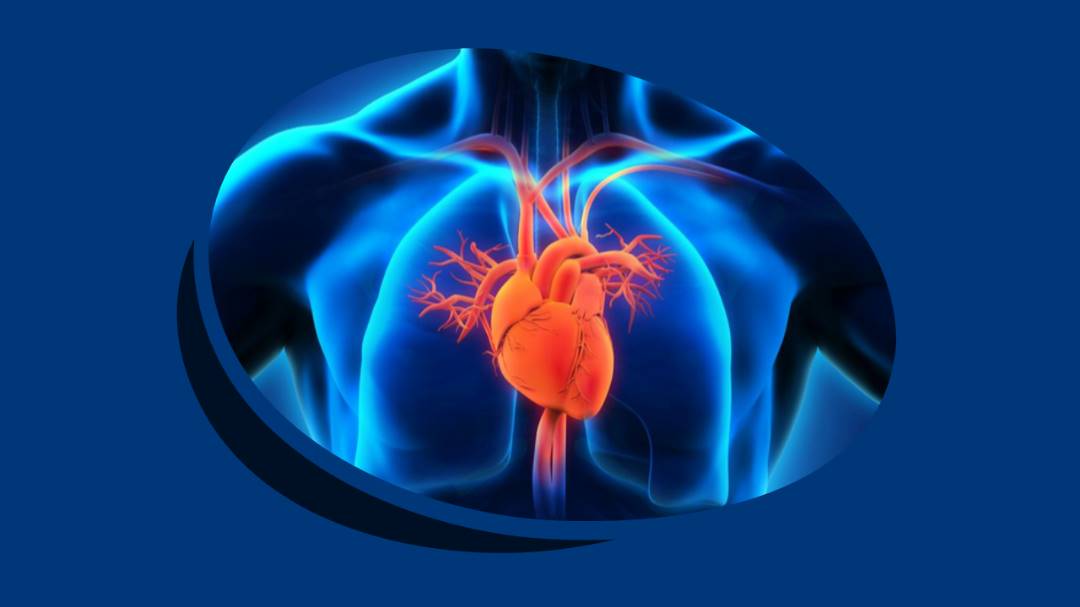
Shock is a threatening life condition of circulatory failure which causes inadequate oxygen delivery to meet cellular metabolic needs and oxygen consumption requirements, producing cellular and tissue hypoxia. The effects of shock are initially reversible, but rapidly become irreversible, resulting in multiorgan failure (MOF) and death. When a patient presents with undifferentiated shock, it is important that the clinician immediately initiate therapy while rapidly identifying the etiology so that definitive therapy can be administered to reverse shock and prevent MOF and death.
There are four main types of shock:
1. Anaphylactic shock
2. Cardiogenic shock
3. Hypovolemic shock
4. Septic shock
Anaphylactic shock is a severe and sudden allergic reaction that can occur after exposure to an allergen. Symptoms include swelling of the face and throat, difficulty breathing, and a drop in blood pressure. Anaphylactic shock can be life-threatening and requires immediate medical treatment.
Cardiogenic shock occurs when the heart is unable to pump enough blood to meet the body’s needs. This can be due to a heart attack, heart failure, or other heart conditions. Symptoms include shortness of breath, chest pain, and a weak and irregular heartbeat. Cardiogenic shock is a medical emergency and requires treatment in a hospital.
Hypovolemic shock occurs when there is a decrease in the amount of blood or fluid in the body. This can be due to blood loss from an injury, severe dehydration, or excessive vomiting or diarrhea. Symptoms include lightheadedness, fainting, and a decrease in urine output. Hypovolemic shock can be life-threatening and requires immediate medical treatment.
Septic shock. This type of shock is caused by an infection or sepsis. Sepsis is a potentially life-threatening condition that occurs when an infection spreads throughout the body. Symptoms include low blood pressure, rapid heart rate, chills, and fever. Septic shock is a medical emergency and requires treatment in a hospital.
Discover more from Nursing In Ghana
Subscribe to get the latest posts sent to your email.






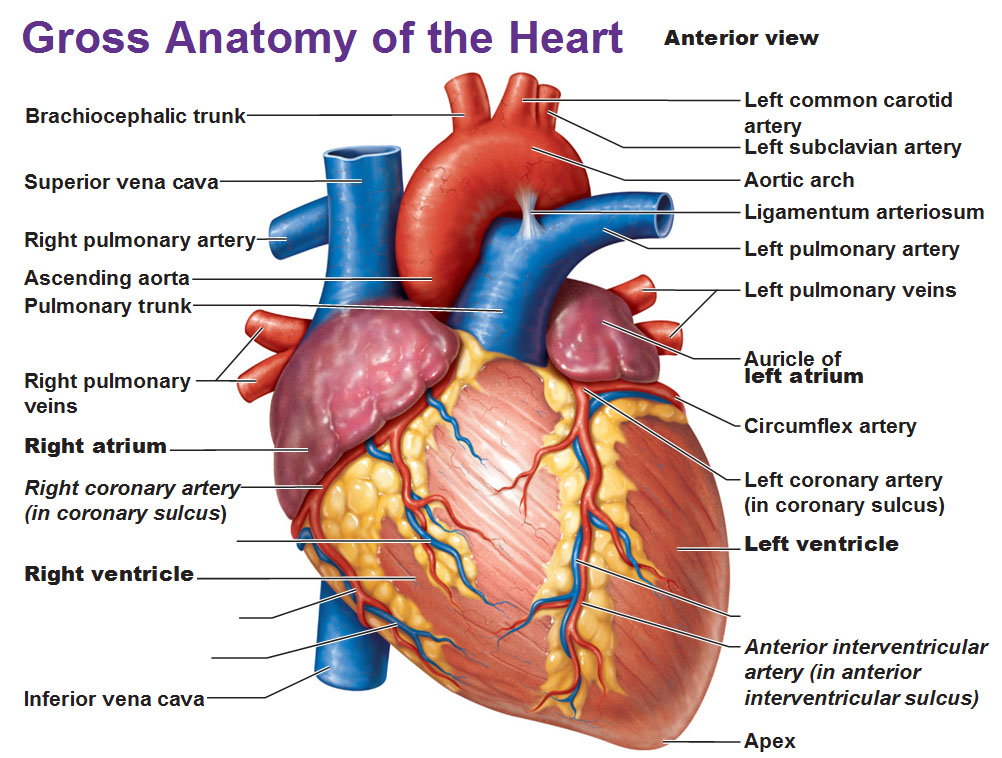
Hypotension, commonly referred to as “low blood pressure,” is a medical condition in which the blood pressure in the arteries is lower than normal (when the blood pressure reading is lower than 90/60mmHg). There are various types of hypotension, each with different causes, symptoms, and treatments. As a nurse, it is important to be aware of the different types of hypotension and their management in order to provide safe and effective care to your patients.
Orthostatic hypotension
Orthostatic hypotension is a type of hypotension that occurs when a person changes position from lying down or sitting to standing up. This can cause a sudden drop in blood pressure, leading to symptoms such as dizziness, lightheadedness, and fainting. Orthostatic hypotension is common in older adults, especially those with underlying medical conditions such as Parkinson’s disease, diabetes, or autonomic neuropathy.
The management of orthostatic hypotension involves lifestyle modifications, such as avoiding sudden changes in position, staying hydrated, and wearing compression stockings. Medications such as fludrocortisone, midodrine, and droxidopa may also be prescribed to help raise blood pressure.
Neurally mediated hypotension.
Neurally mediated hypotension also known as the fainting reflex, neurocardiogenic syncope, vasodepressor syncope, the vaso-vagal reflex, and autonomic dysfunction is a type of hypotension that occurs in response to certain triggers, such as standing for a long time or exposure to heat. It is caused by a malfunction of the autonomic nervous system, which regulates blood pressure and heart rate. Neurally mediated hypotension can cause symptoms such as dizziness, nausea, and fainting. Other symptoms may include confusion, muscle aches, headaches, and chronic fatigue.
The treatment of neurally mediated hypotension involves avoiding triggers and increasing fluid and salt intake.
Severe hypotension
Severe hypotension is a medical emergency that requires immediate treatment. It is characterized by a sudden and severe drop in blood pressure, which can lead to organ damage and even death if not promptly addressed. Severe hypotension can be caused by various conditions, such as sepsis, anaphylaxis, or a heart attack.
The management of severe hypotension involves identifying and treating the underlying cause. This may involve administering intravenous fluids, medications such as vasopressors or inotropes, and oxygen therapy. In severe cases, mechanical ventilation or extracorporeal membrane oxygenation (ECMO) may be necessary.
Postprandial hypotension
It is common in older adults and those with underlying medical conditions such as diabetes, Parkinson’s disease, or autonomic neuropathy. Postprandial hypotension is a type of hypotension that occurs after eating a meal. After eating, the heart rate ramps up to send blood flowing to the digestive system, but with this type of low blood pressure, the mechanism fails, resulting in dizziness, lightheadedness, and fainting.
The management of postprandial hypotension involves eating smaller, more frequent meals and avoiding large meals high in carbohydrates or fats. Medications such as acarbose, midodrine, and caffeine may also be prescribed.
Discover more from Nursing In Ghana
Subscribe to get the latest posts sent to your email.
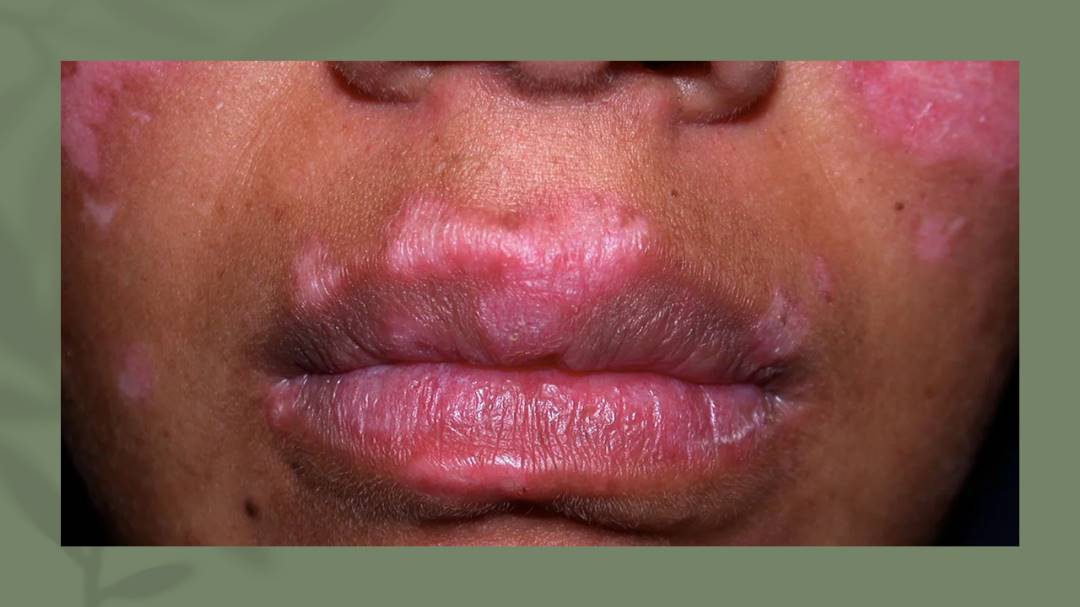
Systemic Lupus Erythematosus (SLE) is a chronic autoimmune disease that can affect various organ systems in the body. It is characterized by the production of autoantibodies against self-antigens, leading to chronic inflammation and tissue damage including the joints, skin, kidneys, blood cells, brain, heart, and lungs. SLE is a heterogeneous disease with a wide range of clinical manifestations, making it difficult to diagnose and manage.
PATHOPHYSIOLOGY
The pathophysiology of SLE involves a complex interplay between genetic, environmental, hormonal, and immunologic factors. Multiple genetic loci have been associated with SLE, including genes involved in immune system function and regulation. Environmental factors such as infections, medications, and ultraviolet light exposure have also been implicated in the development of SLE.
In SLE, immune dysregulation leads to the production of autoantibodies against nuclear components such as DNA, RNA, and histones. These autoantibodies form immune complexes that deposit in various tissues, leading to chronic inflammation and tissue damage. Additionally, immune dysregulation can lead to aberrant T-cell activation, cytokine production, and complement activation, further contributing to the pathogenesis of SLE.
CAUSES
The exact causes of SLE are not fully understood, but a combination of genetic, environmental, hormonal, and immunologic factors are thought to contribute to its development. Women are more commonly affected than men, and the disease often presents during the childbearing years. Genetic factors are estimated to account for up to 66% of the risk for developing SLE. Environmental factors such as infections, medications, and ultraviolet light exposure have also been implicated in the development of SLE.
CLINICAL MANIFESTATIONS
The clinical manifestations of SLE are diverse and can affect multiple organ systems in the body. Common symptoms include fatigue, fever, joint pain and swelling, skin rashes, and photosensitivity. SLE can also cause more serious complications such as lupus nephritis, which is a major cause of morbidity and mortality in patients with SLE.
ASSESSMENT AND DIAGNOSTIC FINDINGS
The diagnosis of SLE is based on a combination of clinical and laboratory findings. The American College of Rheumatology has developed diagnostic criteria for SLE, which require the presence of at least four of the following: malar rash, discoid rash, photosensitivity, oral ulcers, arthritis, serositis, renal disorder, neurologic disorder, hematologic disorder, immunologic disorder, and antinuclear antibody positivity. Laboratory tests that may be helpful in diagnosing SLE include antinuclear antibody (ANA) testing, anti-double-stranded DNA (anti-dsDNA) antibody testing, and complement-level testing.
MEDICAL MANAGEMENT
The management of SLE involves a multidisciplinary approach, including rheumatologists, nephrologists, dermatologists, and other specialists as needed. Treatment goals include controlling disease activity, preventing flares, and minimizing organ damage. Treatment options may include nonsteroidal anti-inflammatory drugs (NSAIDs), antimalarial drugs, glucocorticoids, immunosuppressants, and biological agents.
PHARMACOLOGIC MANAGEMENT
Pharmacologic management of SLE involves a range of medications targeting different aspects of the disease’s pathophysiology. NSAIDs can be used to manage mild to moderate pain and inflammation, while antimalarial drugs such as hydroxychloroquine can be used to prevent disease flares and reduce disease activity. Glucocorticoids such as prednisone can be used to manage severe disease activity and organ involvement, but their long-term use is associated with significant adverse effects. Immunosuppressive agents such as azathioprine, mycophenolate mofetil, and cyclophosphamide can be used to control disease activity and prevent organ damage. Biologic agents such as belimumab, a monoclonal antibody targeting B-cell activating factor, have also been approved for the treatment of SLE.
Systemic lupus erythematosus diagnosis and management, https://academic.oup.com/rheumatology/article/56/suppl_1/i3/2738661.
C. (2023, January 31). Systemic lupuserythematosus (SLE). Centers for Disease Control and Prevention. https://www.cdc.gov/lupus/facts/detailed.html
Systemic lupus erythematosus pathophysiology – wikidoc. (n.d.). Systemic Lupus Erythematosus Pathophysiology – Wikidoc. https://www.wikidoc.org/index.php/Systemic_lupus_erythematosus_pathophysiology
Discover more from Nursing In Ghana
Subscribe to get the latest posts sent to your email.

Nurses have a variety of duties and, in many cases, many patients in their care. Because patient care requires many time-consuming tasks, delegation is an important tool that helps nurses spend their time in the most productive ways possible.
The American Nurses Association and the National Council of State Boards of Nursing describe delegation as the process for a nurse to direct another person to perform nursing tasks and activities. Delegation involves at least two individuals: the delegator, and the delegatee. The delegator is a registered nurse who distributes a portion of patient care to the delegatee. E.g., Health Assistant, Ward Aid.
Delegation and assignment are different in a few ways. When you assign a task, that task must fall within the scope of the assignee’s job description, and the education and training required by that job must confer the skills required for completion of the task. When you delegate a task, however, that task is allowed to fall outside the purview of the delegatee’s role, provided delegating the task doesn’t violate hospital policy and that the delegatee has obtained additional education and training that covers the task in question.
During delegation, delegators transfer responsibility and authority for completing a task to the delegatee; however, the delegator is always accountable for the task’s completion. The registered nurse is always accountable for the overall outcome of delegated tasks.
THE 5 R’S (RIGHTS) OF NURSING DELEGATION
- Right Task
- Right Circumstance
- Right Person
- Right Directions/Communication
- Right Supervision/Evaluation
Right Task
Delegation can be a good tool for teaching someone new skills, patient care, and safety always come first. When delegating nursing tasks, make sure you have a high degree of confidence that the task can be completed correctly and safely.
The task must fall within the scope of practice and job description of the person to whom it is being delegated and they must have demonstrated competency in performing said task. Also, the organizational policies and procedures of the hospital or facility must not prohibit the delegated person from performing said task.
The tasks must have a predictable outcome, a minimal potential risk, and a standard, unchanging procedure. Day-to-day tasks are typically safe to delegate, while more complex tasks should be handled only by those with the proper experience and training.
Right Circumstance
When deciding to delegate a task, it must be based on the nursing process and a careful analysis of the patient’s needs and circumstances prior to delegating.
It’s also necessary to be aware of the patient’s current state and to only delegate tasks when the patient is in stable condition and the outcome predictable.
It is necessary to avoid delegating a task when the patient’s condition is unstable or when the patient is in critical condition, as this places the patient in unnecessary danger.
In addition, one must be aware that delegating a task doesn’t mean that the delegatee replaces you in the task; as a skilled nurse, you must be on hand to observe, instruct, and step in if something goes wrong or if at any time the patient’s condition changes, the nurse must reassess the situation and may rescind the delegation.
Right Person
The Registered Nurse delegating the task must ensure that the delegatee possesses and has demonstrated the knowledge base and appropriate skills and resources to perform the task and provide adequate supervision and evaluation to ensure the patient’s safety and appropriate outcome. Don’t delegate tasks to delegatees who have not demonstrated the ability to handle those tasks.
Right Directions/Communication
In nursing, clear, precise communication is important to any kind of delegation; unclear communication can directly impact a patient’s outcome. Provide clear, specific, and understandable instructions so your delegatee can easily follow them. Answer any questions and instruct as necessary during the procedure. Expectations must also be communicated, and the results of the procedure must be conveyed to the proper people as well, according to hospital policy.
Right Supervision/Evaluation
Even though you are delegating the task to someone else, you are ultimately responsible for the outcome of that task. The nurse is responsible to ensure compliance with standards of care and the policies and procedures of the organization.
Be available to supervise your delegatee and make sure that the patient outcome is a good one. Make corrections and modifications as necessary and evaluate your delegatee’s work. Provide feedback to allow individuals to improve their skills in the future. After careful evaluation of the outcomes, the nurse also needs to ensure appropriate documentation is provided.
References
- https://www.rivier.edu/academics/blog-posts/tips-to-master-delegation-in-nursing/
- https://www.ncbi.nlm.nih.gov/books/NBK519519/
Discover more from Nursing In Ghana
Subscribe to get the latest posts sent to your email.

FUNERAL HELD FOR GHANAIAN MIDWIFE, GRACE BENYIN WHO DIED IN IRELAND

GHANA, GRENADA SIGN NURSE RECRUITMENT DEAL – APPLICATIONS OPEN OCT 24-28, 2025

Scotland NHS Recruiting International Nurses

Ministry of Health Postpones Media Engagement on Unpaid Salaries

NMC Issues Strong Warning to Nurses Against Unprofessional Conduct on Social Media

Government slashes 50% off Nursing Training Fees-Press Release

GRNMA Youth Committee launches 2025 International Youth Day celebration

President Mahama promises UHAS expansion to train more health workers
LIST OF ACCREDITED GOVERNMENT NURSING AND MIDWIFERY TRAINING SCHOOLS IN GHANA

NURSING ADMISSION FORMS ON SALE FOR THE 2023/2024 ACADEMIC YEAR

THE NURSES PLEDGE AND THE MIDWIVE’S PRAYER

NURSING TRAINING ADMISSION INTERVIEW QUESTIONS

GHS INTRODUCES TWO NEW BELT COLOURS FOR TWO NEW LEVELS IN THE NURSING AND MIDWIFERY SERVICE

MOH SUSPENDS THE 2021/2022 ACADEMIC CALENDAR FOR NURSING AND MIDWIFERY SCHOOLS

COMMON TYPES OF INTRAVENOUS (IV) FLUIDS AND THEIR USES

LIST OF PRIVATE NURSING AND MIDWIFERY TRAINING SCHOOLS (ACCREDITED)
-
 Nursing News5 years ago
LIST OF ACCREDITED GOVERNMENT NURSING AND MIDWIFERY TRAINING SCHOOLS IN GHANA
-
 Nursing News3 years ago
NURSING ADMISSION FORMS ON SALE FOR THE 2023/2024 ACADEMIC YEAR
-
 Nursing Procedures and Skills5 years ago
THE NURSES PLEDGE AND THE MIDWIVE’S PRAYER
-
 Nursing Procedures and Skills5 years ago
NURSING TRAINING ADMISSION INTERVIEW QUESTIONS
-
 Nursing News4 years ago
GHS INTRODUCES TWO NEW BELT COLOURS FOR TWO NEW LEVELS IN THE NURSING AND MIDWIFERY SERVICE
-
 Nursing News5 years ago
MOH SUSPENDS THE 2021/2022 ACADEMIC CALENDAR FOR NURSING AND MIDWIFERY SCHOOLS
-
 Notes5 years ago
COMMON TYPES OF INTRAVENOUS (IV) FLUIDS AND THEIR USES
-
 Nursing News5 years ago
LIST OF PRIVATE NURSING AND MIDWIFERY TRAINING SCHOOLS (ACCREDITED)